
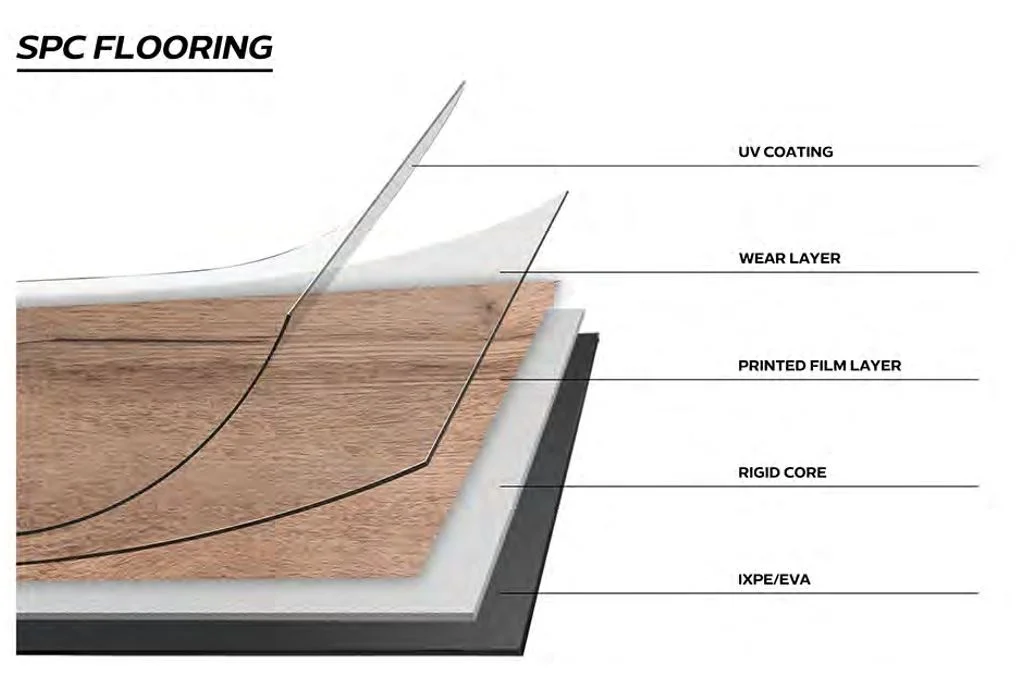
A good SPC flooring installation can change the look of a room quickly, but the finished result depends on several quiet details: a clean base, a straight first line, fully closed joints, careful edge cutting, and the right trim plan. For old house floor updates, apartment refreshes, hotel guest rooms, and light commercial interiors, SPC floor products are attractive because they arrive as factory-finished planks rather than wet-work materials. The surface is already decorative, the backing can help soften walking noise, and the click-lock edge can reduce installation time when the room is prepared correctly.
The product information from HUAHONG DECOR describes the material as a floor board made from calcium powder, PVC plastic, and modified materials. It also notes a UV scratch-resistant surface, XPE quiet pad, and lock technology that supports fast home installation. Those features are useful, but they do not remove the need for patient site work. A rushed first row or a dusty base can still lead to visible seams after the room is furnished.
Start With the Room, Not the First Plank
Before any plank is placed, the room needs to be ready for a floating floor system. The floor below should be flat, dry, clean, and stable. Dust, small loose particles, raised screw heads, wet patches, and uneven transitions can all affect how the lock sits. A click-lock plank may feel rigid in the hand, but the joint still needs a reliable base below it. That is why floating floor installation starts with the room, not the carton.
For a floating floor installation, boards should be stored flat in the room before laying. Exact timing should follow the supplier instruction for the selected product and local climate. This resting period helps the installer work with material that has adjusted to the indoor environment. If cartons are opened and installed immediately after long transport or storage, small movement may appear later as tension around joints or wall edges.
The first line deserves the most attention. Walls are not always perfectly straight, especially in renovation projects. Use perimeter spacers or pads as required by the product guide, then check the row from several angles before continuing. If the first row leans slightly, the error repeats across the entire floor and becomes harder to correct after more planks are locked in.
What the SPC Structure Means During Installation
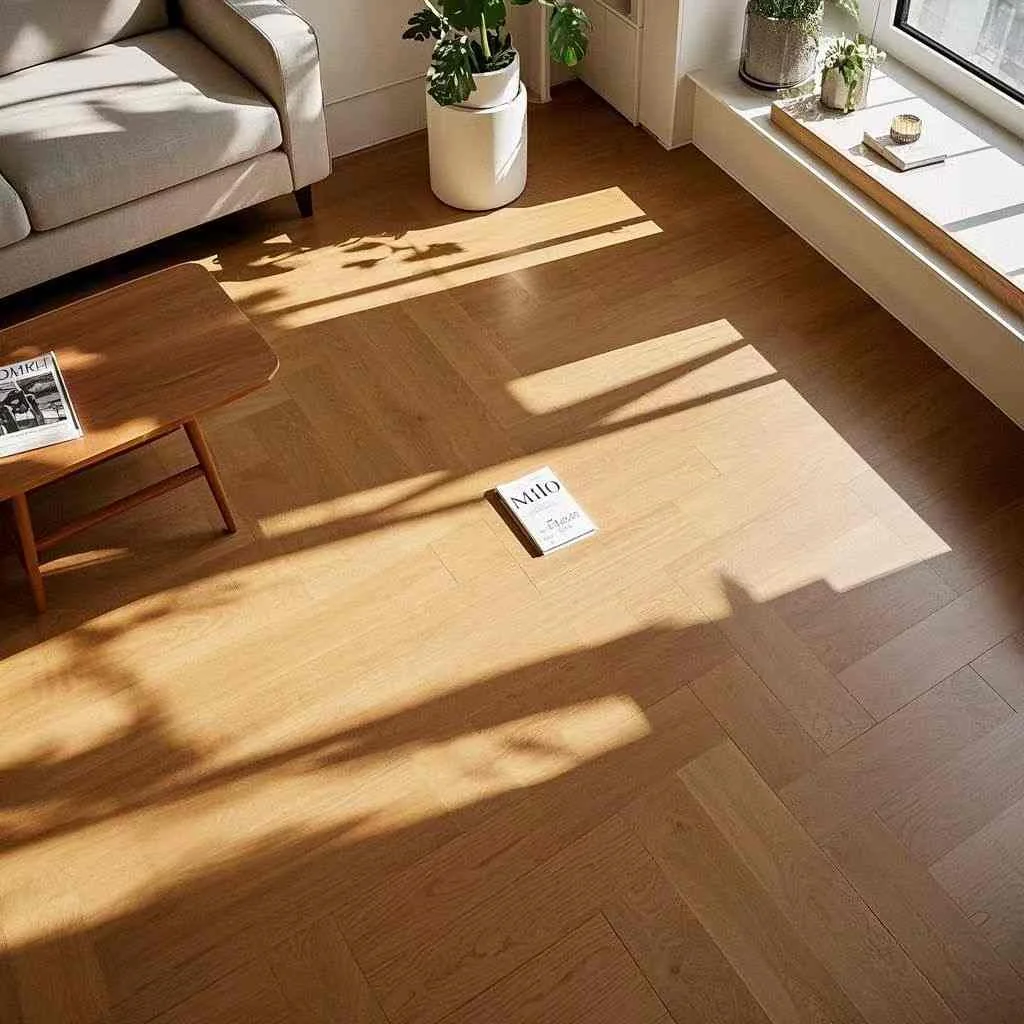
SPC flooring is not installed like soft sheet material or traditional tile. Its layered structure affects how it should be handled. The UV surface helps protect the decorative face, but it can still be marked by careless tools. The printed film layer creates the wood-look finish, so visible scratches at the surface are difficult to hide once the room is complete.
The rigid core gives the plank its stable feel, yet the locking profile along the edge is still a precision detail. Installers should not hit the decorative surface directly or force a plank when the angle is wrong. If a joint does not close, lift the board, check the lock, remove any debris, and try again with controlled pressure.
The XPE or IXPE/EVA backing also changes the way the plank feels during laying. It can help reduce walking noise, but it is not a substitute for subfloor preparation. A backing layer follows the condition of the surface below it. If the base is uneven or dirty, the finished floor can still sound hollow or feel unstable in certain areas.
The Click-Lock Flow That Keeps Lines Straight
A clean click lock flooring installation is built row by row. The installer should align the long edge, hold the plank at the correct angle, bring the lock into position, and then lower the board only when the joint is seated. In larger rooms, click lock flooring installation also depends on regular line checks so the pattern does not drift. The goal is a firm connection without raised edges or pressure marks.
Keep the working line controlled
Lay from one side of the room and keep checking the direction of the planks. A straight line is more important than speed. Long rooms, corridors, and open-plan spaces make even small angle errors visible under side light, especially with wood-grain patterns.
Protect the visible edge
If a joint needs light help, use a suitable offcut or tapping aid recommended for the lock profile. This spreads the force across the edge instead of damaging the decorative face. Direct heavy blows can deform the lock or leave small marks that become obvious after cleaning and lighting are finished.
Cut only after measuring the real opening
For SPC vinyl flooring near walls, doorways, columns, and cabinets, final pieces should be measured from the actual opening rather than guessed from a drawing. Product notes mention that the plank can be scored and cut with a blade. Even so, the installer should mark carefully, test the fit, and keep the cut edge hidden under trim where possible.
Edge Finishing and Site Checks
The main floor field may look good, but the edge details decide whether the room feels professionally finished. Door thresholds, curtain areas, skirting boards, reducers, and transitions should be planned before the installation team starts. These accessories help cover movement gaps, protect exposed edges, and connect the new surface with nearby materials.
For bulk renovation work, ask the supplier to confirm whether matching trims, reducers, skirting, and spare planks can ship with the SPC flooring category order. This is especially useful for hotels, apartments, and commercial rooms where color consistency and repeatable finishing matter across many rooms.
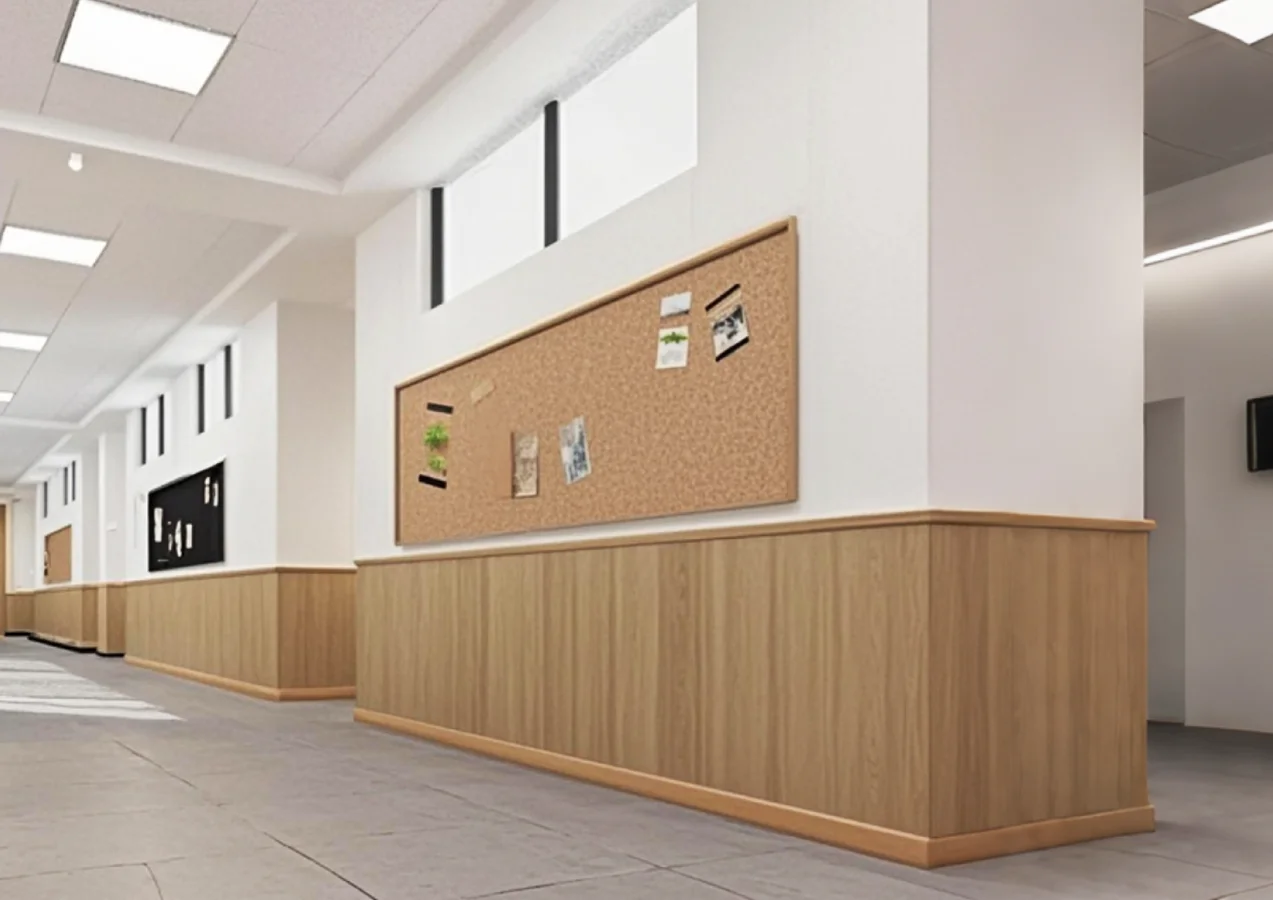
After laying, walk the floor slowly and look across the surface from different angles. Check whether the joints sit flat, whether any short-end seam has opened, whether the last row is tight enough under the trim, and whether the transition pieces feel stable. A small correction before furniture returns to the room is easier than a repair after the space is in use.
Common Mistakes That Create Gaps or Loose Edges
The first mistake is installing over a base that is not ready. SPC planks can support quick renovation, but they cannot solve moisture, dirt, loose flooring, or major unevenness below. A clean base is basic work, not an optional extra.
The second mistake is forcing the lock. When a board does not close cleanly, the cause is usually alignment, angle, debris, or pressure in the wrong direction. Resetting the plank takes less time than repairing a damaged joint.
The third mistake is ignoring accessories until the end. Even when the main SPC floor area is clean, unfinished edges can make the whole room look incomplete. Confirm the trim plan, door transitions, wall clearance, and spare material before the project starts.
The fourth mistake is treating all rooms the same. Bedrooms, corridors, hotel rooms, and office spaces may use similar planks, but each site has different traffic, furniture, wall straightness, doorway shapes, and handover requirements. For uncertain conditions, confirm installation details with service support before placing a bulk order.
| Site detail | What to check | Why it matters |
| Base condition | Flat, dry, clean, and stable | Helps the click-lock joint sit evenly |
| First row | Straight working line and proper spacers | Prevents crooked lines from spreading |
| Joint closing | Correct angle and controlled pressure | Reduces raised edges and visible gaps |
| Final edges | Skirting, reducers, thresholds, spare planks | Creates a clean finished boundary |
Conclusion
A smooth SPC flooring installation depends on preparation as much as the plank itself. The material structure, click-lock profile, backing layer, first row, and edge finishing all work together. For fast renovation projects, SPC vinyl flooring can help create a clean wood-look surface with less downtime, but the installer still needs to protect the surface, control each joint, and plan trims before the room is handed over. For product structure, color options, installation accessories, and order support, contact HUAHONG DECOR before confirming project quantities.
FAQs
Q1: Is this installation suitable for DIY renovation?
A1: Yes, if the base is flat, dry, clean, and supplier instructions are followed.
Q2: Can spc floor products cover an old floor?
A2: Often yes, but loose, wet, dirty, or uneven bases must be corrected first.
Q3: Why does spc vinyl flooring need careful edge finishing?
A3: Clean edges help walls, doorways, and transitions look professional after installation.