The Basics of Wall Panels
What Are Wall Panels and Why Are They Used in Interior Design?
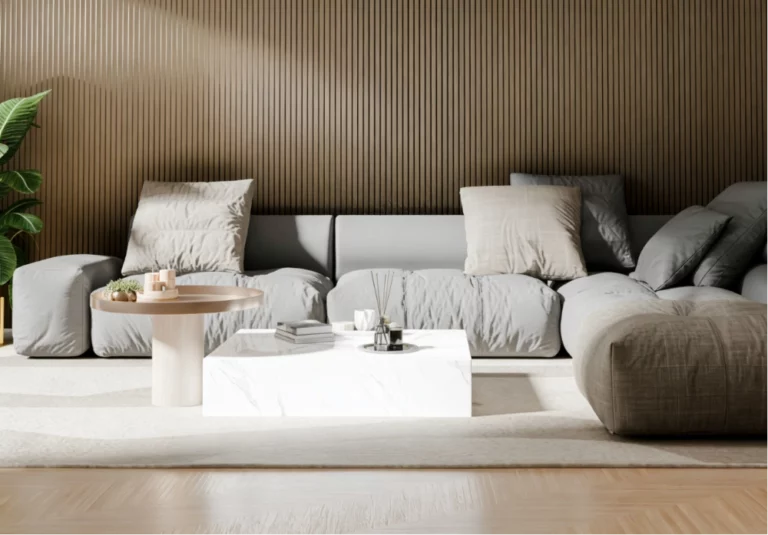
Wall panels are ready-made sheets used to line walls. They deliver both useful and decorative upgrades to indoor settings. These panels fulfill several tasks: they cover up defects on walls, enhance insulation and boost visual charm. Wall paneling is especially widespread in today’s interiors because it can turn ordinary walls into eye-catching features.
Typical materials for wall panels consist of PVC (polyvinyl chloride), MDF (medium-density fiberboard), wood and metal. Every material brings its own traits, providing selections for diverse design and function demands. For instance, wood delivers an organic vibe, metal gives off industrial vibes, whereas PVC and MDF supply budget-friendliness and adaptability.
What Makes PVC and MDF the Most Popular Choices?
Out of the many choices out there, PVC and MDF wall panels get picked a lot because of their low price and simple setup. PVC panels stand out for their strong resistance to water. This suits them well for moist spots like kitchens and bathrooms. MDF, meanwhile, gives a sleeker finish that looks like wood. It works great for painting or adding thin layers.
Moreover, both options come in a broad selection of shades, surfaces and styles. This lets designers and property owners pair them with different decor ideas. This blend of practicality, low cost and style flexibility sets them apart in the pvc vs mdf wall panels discussion.
Material Composition and Manufacturing Differences
How Are PVC Wall Panels Made?
PVC wall panels consist of polyvinyl chloride mixed with softeners that improve bendability. The production method usually uses extrusion. In this, the substance gets formed into empty or full shapes. These panels frequently have a coated or imprinted outer layer that copies things like marble, wood patterns, or rock.
This outer layer not only boosts the look but also improves toughness by fending off scrapes and dampness entry.
What Is MDF and How Is It Manufactured?
MDF panels get created from tiny wood bits stuck together with glue under intense warmth and force. This creates a thick, even slab that’s tougher than chipboard yet glossier than plywood. The steady finish makes MDF perfect for coating with paint or sticking on fancy covers.
People often choose MDF panels for home settings thanks to their firm touch and capacity for detailed etchings or ridged patterns.
Comparing Performance: Which Panel Type Performs Better in Different Conditions?
Moisture Resistance: Which One Handles Humidity More Effectively?
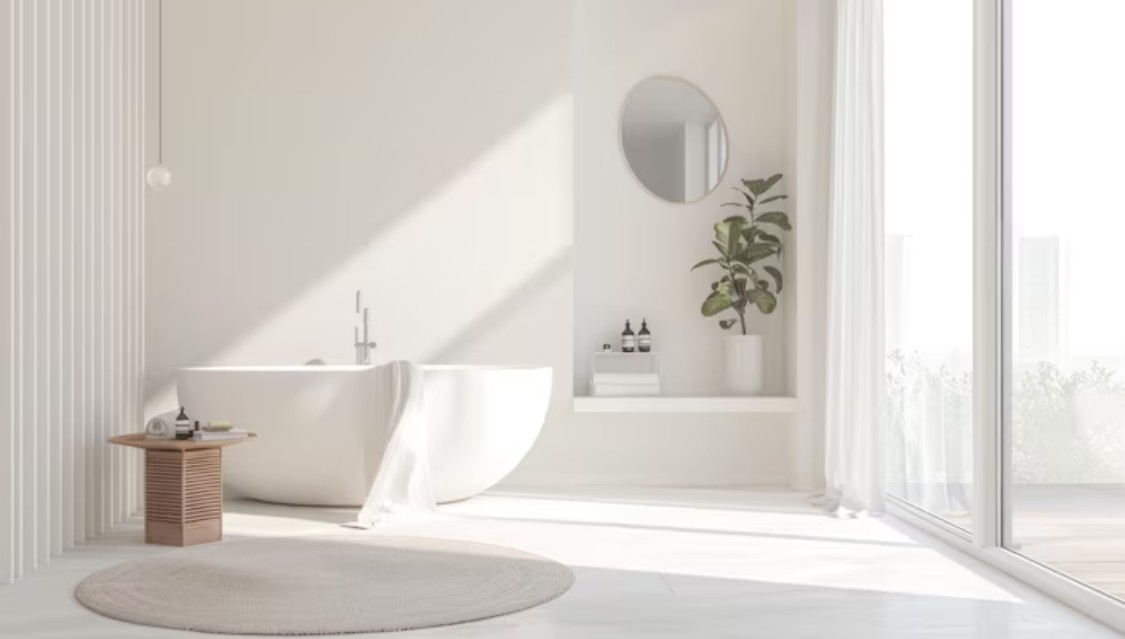
PVC wall panels are completely water-proof. This makes them the better pick for zones with lots of moisture, like bathrooms, kitchens and cellars. They don’t soak up liquid, which stops mold buildup and twisting.
On the flip side, MDF reacts badly to wetness unless protected by special layers. Without protection, MDF might puff up or break down in humid spots. So, it stays best for arid inside areas.
Durability: Which Material Lasts Longer in High-Traffic Areas?
PVC panels fight off mold, rust and small marks. Yet, they might buckle from hard hits because of their empty build. MDF gives a firmer sensation and handles bumps better when set up right. However, it’s easier to chip on the sides if not treated carefully.
Fire Resistance and Safety Considerations
PVC can get treated with extras to resist fire. But it could release harmful smoke when it burns without treatment. MDF burns easily by nature but can get adjusted to follow fire rules. So, safety mostly relies on item details and following construction laws.
Aesthetic Appeal: Which Option Offers Better Design Flexibility?
Can You Customize the Look of Both Materials Easily?
PVC panels come ready with printed designs or raised textures. This lets them go up fast without needing paint or extra touches.
MDF panels allow more personal tweaks. You can color them any hue or cover them to fit many room looks—from old-school to current.
Texture, Finish and Color Options Compared
PVC Wall Panels
PVC choices go from shiny to dull surfaces and feature patterns that copy marble or real wood lines. These surfaces get added at the plant and stay the same in every batch.
MDF Wall Panels
MDF can get prepped for coloring or done with fancy cuts and lined designs. This suits them for making fancy highlight walls or putting fine touches in lounging spots.
Installation Process: Which One Is Easier to Work With?
How Easy Is It to Install PVC vs MDF Wall Panels?
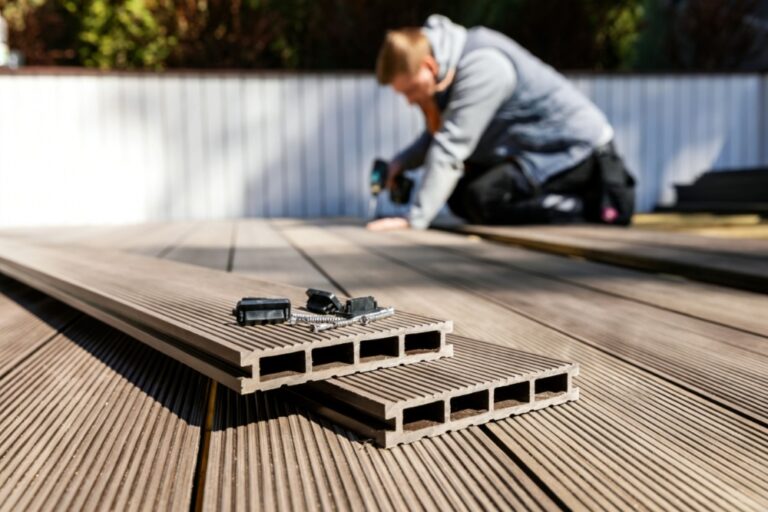
PVC wall panels weigh little and have linking sides that suit them for do-it-yourself jobs. You can fix them fast with glue or bolts based on the base.
MDF panels need more care in slicing and fixing. Their greater mass might call for expert help, particularly for big wall jobs.
Tools Required for Installation of Each Type
For PVC Panels
Key tools are a sharp blade or thin-saw, glue or hot-glue tool and a tape measure.
For MDF Panels
You’ll need a round saw or puzzle saw, pins or bolts to hold the panels, a balancer for straightness and maybe glue based on the wall kind.
Maintenance Requirements Over Time
How Do You Clean and Maintain Each Panel Type?
Cleaning PVC Panels
PVC panels need little upkeep. Just swipe them with a wet rag to clear dirt or marks. Their sealed surface fights mold and skips the need for coating.
Cleaning MDF Panels
Clean MDF with dry rags to avoid soaking up dampness. If coated right with color or polish, a rare wet swipe works.
Long-Term Care Tips for Preserving Appearance
Skip harsh scrubbers on any panel type since they could harm the coating. For MDF panels, a bit of fresh paint now and then might keep them looking new. Check seams on PVC panels often to make sure they stay sealed against water.
Cost Comparison: Which One Provides Better Value for Money?
What Are the Initial Costs Involved in Buying Each Type of Panel?
PVC panels usually run cheaper per area unit than ready MDF panels. Their value grows when you add in easy setup and no need for final touches.
Are There Any Hidden Costs Related to Installation or Maintenance?
MDF panels could add extra costs like pro work fees, protective coats, or special color tasks. These extra fees can raise the total for MDF over time, even if raw MDF starts cheaper.
Environmental Impact: Which Material Is More Sustainable?
How Eco-Friendly Are the Production Processes of Each Material?
PVC comes from plastic compounds that don’t break down but can get reused in good setups. Still, making it uses chemical steps that might hurt the environment if not handled well.
MDF uses reused wood bits—a good point for greenness—but includes resins with formaldehyde that could release bad fumes unless fixed or marked for low output.
WPC products incorporate 60% recycled wood fibers, while PS panels meet environmental standards, aligning with Huahong Art Home’s green manufacturing legacy.
Practical Applications: Where Should You Use Each Type of Paneling?
In Which Rooms Do These Materials Perform Best?
Ideal Uses for PVC Wall Panels
- Bathrooms due to full water resistance
- Kitchens where steam and spills are common
- Basements prone to dampness or flooding
Ideal Uses for MDF Wall Panels
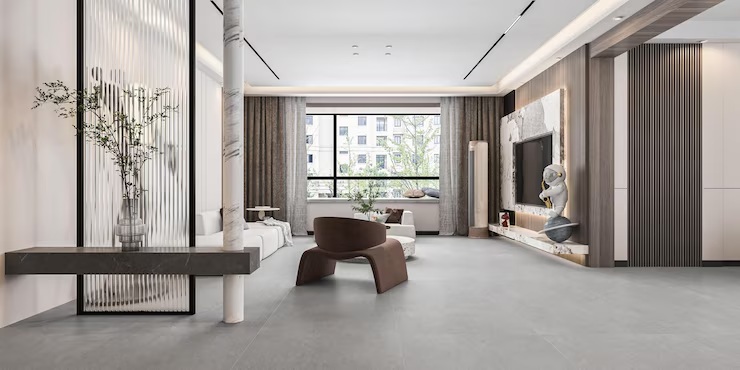
- Living rooms where design flexibility is key
- Bedrooms requiring cozy aesthetics
- Hallways needing a solid yet elegant wall finish
Choosing Between the Two: What Should You Consider Before Making a Decision?
How Do Your Needs Align with the Strengths of Each Material?
Picking between pvc vs mdf wall panels hinges on a few real-world points:
- Look at room dampness—PVC works for wet zones while MDF suits dry ones
- Fit your spending—PVC often costs less at the start
- Check your ability—PVC is simpler for self-installers
- Ponder style aims—MDF lets you recolor while PVC gives quick eye appeal
HUAHONG DECOR Product Highlights: Quality Options in Both Categories
What Makes HUAHONG DECOR a Reliable Source for Wall Paneling?
HUAHONG DECOR’s wall panel setups capture the idea of “where artistry meets functionality,” giving flexible answers for worldwide buyers. We focus on fresh uses in PVC and MDF types made for today’s home needs.
Our panels mix global green approvals with a huge collection of over 10,000 creative surfaces—from wood and rock lines to current shape designs. No matter if your work covers fancy inns or home rooms, our creations add exact skill to each area.
Overview of HUAHONG DECOR’s Product Range
HUAHONG DECOR’s PVC Wall Panels
Our damp-proof PVC panels have light but strong builds fit for wet spots like bathrooms or kitchens. We give many pattern choices including stone-like coats that lift any spot right away without much work.
HUAHONG DECOR’s MDF Wall Panels
We offer even surfaces great for coloring or etching, letting custom sights fit certain ideas. Our fresh line patterns make classy highlight walls ideal for lounges or sleep areas where look joins strength.
FAQ
Q: Are PVC wall panels safe to use indoors long-term?
A: Yes, most current PVC wall panels from trusted makers like HUAHONG DECOR use safe stuff that follows inside air rules when put up right.
Q: Can I paint over an existing MDF wall panel design if I want a new look later on?
A: Sure! A plus of MDF wall panels is their color-ready finish—just rub lightly before adding fresh coats to update your room style.
Q: Which type of panel is better suited for DIY home improvement projects—PVC or MDF?
A: PVC often suits self-doers better thanks to its light build and easy linking setup. Still, skilled self-doers might pick MDF if they want a personal colored coat.