Flexible wall panels can make a plain wall look finished without the weight and cutting process of a conventional tile system. That does not mean the job is casual. A wall can still look untidy when the panel is cut badly around a window, when adhesive is spread unevenly, or when exterior joints are treated as an afterthought.
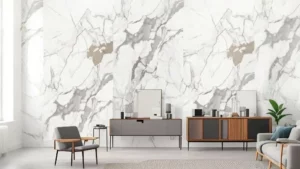
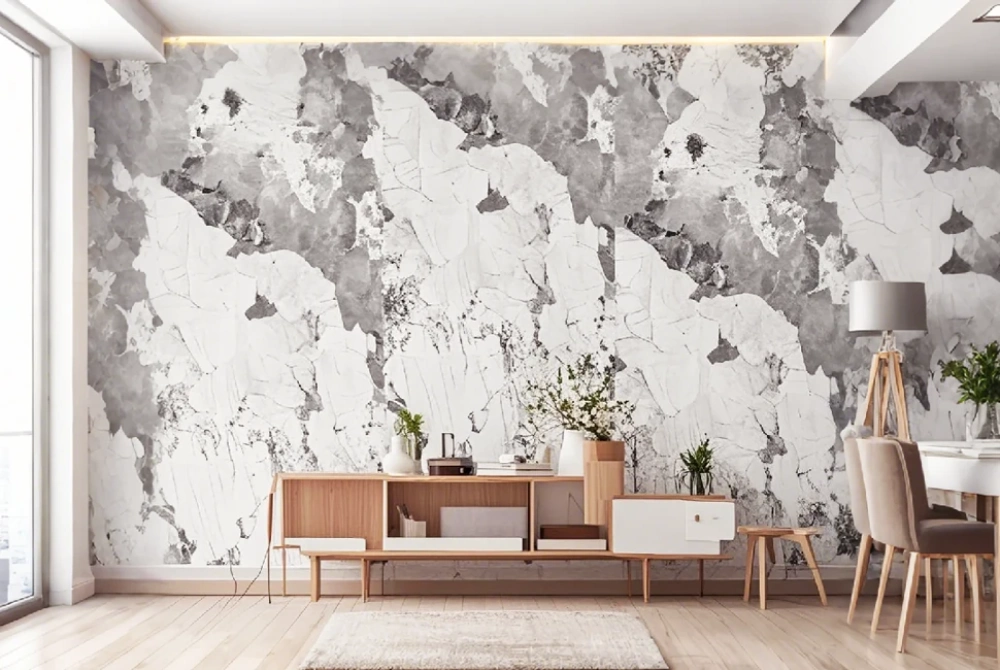
Soft porcelain is a light, slim wall finish with a textured face and a stone-like visual direction. It can be used on interior and exterior walls, so it suits projects where the same design idea needs to work in more than one wall area. Its slim format also makes careful cutting around windows, doors, corners, and base lines part of the planning from the start.
For a house entrance, garden-facing wall, shopfront detail, or interior accent area, start with the wall layout. HUAHONG DECOR brings 26 years of artistic home decor experience into its architectural-material brand. Its wall-material range and library of more than 10,000 design options help a project team choose the surface direction before the site team begins cutting.
Start With the Wall Layout, Not the First Panel
Flexible wall panels are often chosen because a light, slim finish is easier to handle than a thick, rigid one. That does not remove the need for a clear layout. Before a panel is cut, mark the wall edges, base line, windows, doors, pipes, switches, and other fixed details.
The aim is simple: keep full pieces in the broad, visible areas and move smaller cuts toward less noticeable returns. A narrow strip beside a window is sometimes necessary, but it should be planned. Do not cut the first panel and hope the remaining pieces will solve themselves later.
Decide which joints will be seen
Step back and look at the wall from the normal viewing point. On a front entrance, that may be the path leading to the door. In a room, it may be the sofa, bed, or television area. Mark the lines that will be easy to see. Then decide where a panel joint can sit without breaking the main texture.
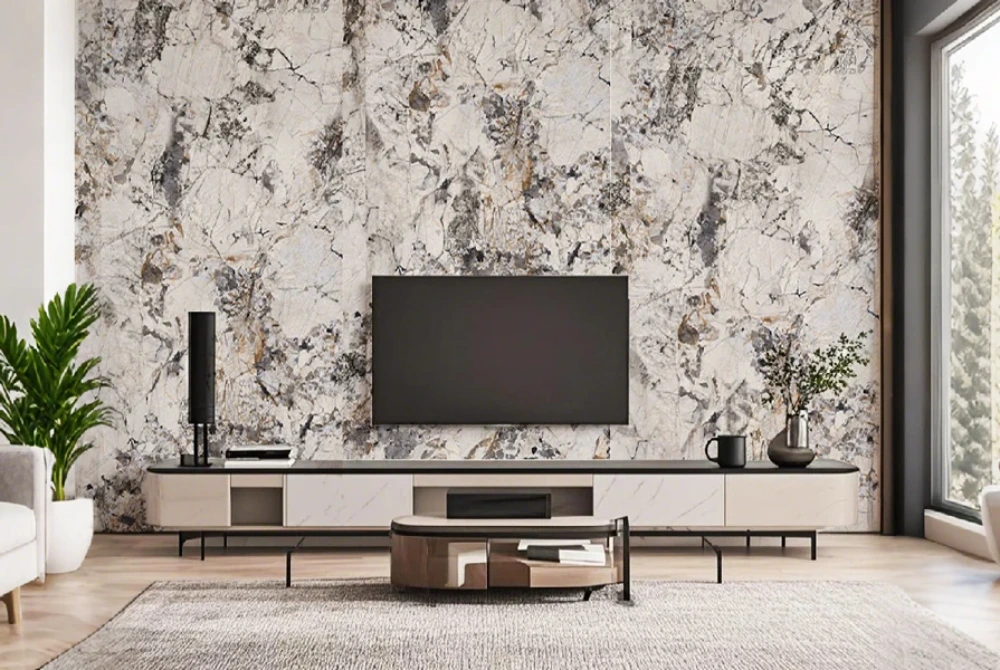
Do not choose the texture in isolation. HUAHONG DECOR’s wall material range includes wood-grain, stone-texture, and 3D-relief directions. Compare the selected soft porcelain finish with nearby mouldings and other wall materials before committing to the full quantity. Write down the texture, panel direction, and surrounding finishes in the same project note.
A flexible stone wall panel should be judged by the whole wall, not by a sample alone. Check how its texture will meet the window return, base line, and adjacent finish before the first cut.
Measure Openings Before You Cut
Windows and doors turn a simple rectangle into several smaller pieces. Measure the opening first, then mark the required piece on the panel. This order matters. A cut that is only a little short can leave a rushed-looking edge once the wall is complete.
Measure the opening, then measure the panel again before cutting. Keep the offcut beside the wall until the piece has been checked in position. This gives the installer a chance to see whether the texture direction remains consistent and whether the cut line will be covered or remain visible.
Choose a cutting method that fits the panel
For a measured straight cut, a utility knife can be used on this soft porcelain material. For a different cut, choose a method that fits the selected panel and the required shape. Test the piece in position before adhesive is applied. Avoid guessing at blade choice, speed, or pressure.
For flexible stone panels, a clean cut is more than a cosmetic detail. It affects how the piece meets the window reveal, the base line, and the panel beside it. If a cut needs to be hidden by a trim or return, confirm that arrangement before the order quantity is released.
The same check matters when comparing flexible stone panels for an exterior detail. Confirm the edge treatment and panel direction before the quantity is final.
Apply Adhesive Without Guessing at Coverage
Spread a compatible adhesive across the back of the panel and comb it into even ridges with a notched trowel before placing the panel. The exact adhesive type, bead size, open time, and coverage rate must follow the selected wall system and the adhesive supplier’s instructions. Do not carry a setting from another product into this job.
The practical rule is simple: prepare a clean, sound wall; use a compatible adhesive system; and make sure the panel has even contact when it is pressed into position. Stop and correct a high spot, loose corner, or dirty area before moving to the next piece. Flexible wall cladding still needs a stable surface behind it.
Keep the finished face clean
Work in a sequence that lets you check the face of each panel as it is installed. If adhesive reaches a visible edge, deal with it under the adhesive supplier’s cleaning instructions before it becomes a permanent mark. Avoid leaving a correction until the whole wall is finished, especially around dark or strongly textured panels where residue can be easy to see.
Send wall dimensions, opening details, intended interior or exterior use, selected texture, estimated quantity, and delivery timing in a project inquiry to HUAHONG DECOR. A clear brief gives the team the information needed to discuss the finish, layout, and surrounding materials before the order is released.
Set Exterior Joints Deliberately
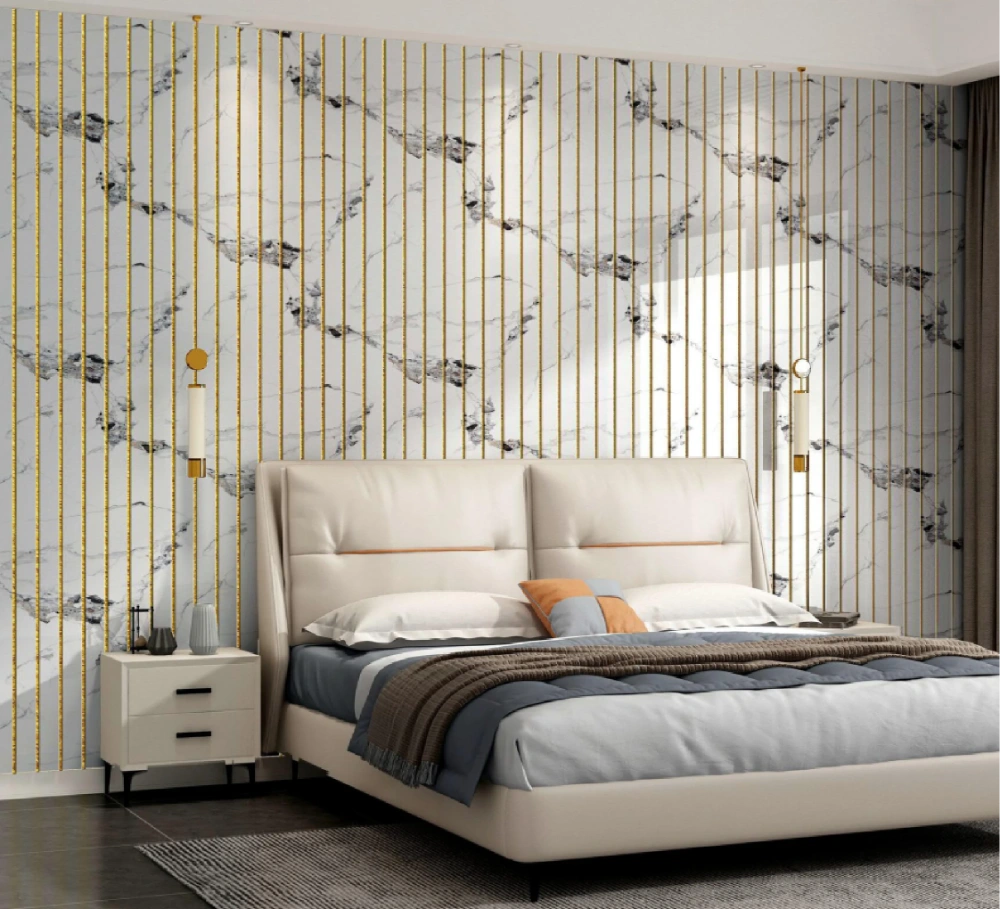
Exterior flexible wall cladding needs planned joints. Leave the required lines rather than forcing every panel tight together, especially where the wall changes direction, reaches an opening, or runs along a base. A joint is part of the layout; it should not be left for the last minute.
That does not mean every project uses the same joint width or joint material. Those details must follow the selected wall system, adhesive guidance, local exposure, and site requirements. The decision that can be made early is where the joints will go and how they will line up across the visible wall.
Use tape to control the line, then inspect it
Masking tape can help protect a visible joint while the edge is being finished. Place it along the intended line, keep the edge clean, and remove it without disturbing the fresh finish. Do not set a universal joint width from a general example. Confirm the joint detail for the selected material and the wall condition.
For soft wall panels, the final inspection should include more than colour. Look along the wall from one side. Check the opening cuts, the panel corners, the level of the joint lines, and the change from one textured piece to the next. A neat joint makes the wall look intentional. A wandering joint makes even a good texture look unfinished.
Before a full order, review HUAHONG DECOR’s cases and guides for the intended wall direction. Then confirm the actual site conditions with the installer and relevant material suppliers. This keeps a flexible stone wall panel selection tied to the real wall, not only to a sample photograph.
Conclusion
Flexible wall panels work best when the job is planned around the difficult areas first. Measure window and door openings before cutting. Check every trial fit. Use a compatible adhesive system without guessing at technical settings. For exterior work, decide where joints belong and keep their lines controlled from the start.
The working order is clear: measure, cut, prepare the back, set the panel, leave planned exterior joints, and finish the visible lines. HUAHONG DECOR combines a broad architectural-material range, design references, and a direct inquiry route. Use them to confirm the texture, panel direction, wall application, opening cuts, and quantity before ordering. Soft wall panels can be light and easy to cut, but the final result still depends on careful layout and clean joint work.
FAQs
Q1: Can flexible wall panels be cut around a window?
A1: Yes. Measure the opening and the required panel piece before cutting, then test the fit against the wall. Keep the texture direction and visible edge lines in mind, not only the opening size.
Q2: Should exterior flexible wall panels be installed with no gaps?
A2: Exterior work should keep planned joints rather than force panels tight together. Confirm the correct joint design, adhesive system, and exposure requirements for the selected material with the relevant suppliers and installer.
Q3: What should I send before requesting a quotation?
A3: Send wall dimensions, photographs, window and door locations, texture preference, panel direction, quantity estimate, the intended indoor or outdoor application, and the delivery schedule. These details help the discussion focus on the actual wall conditions.