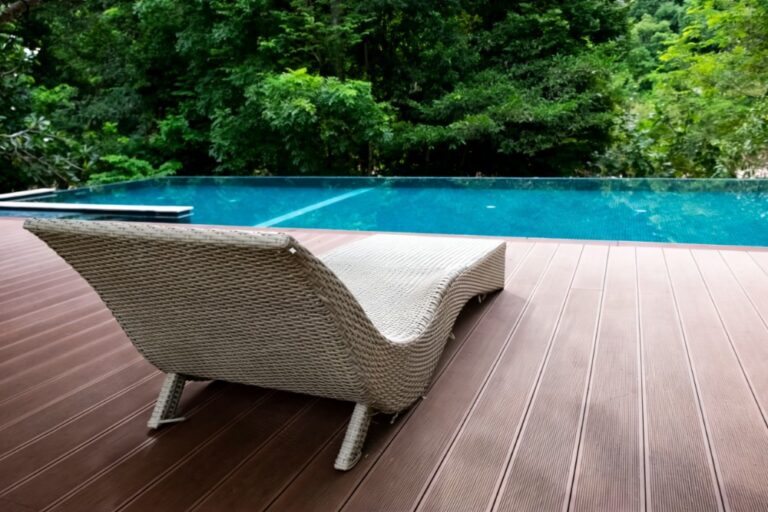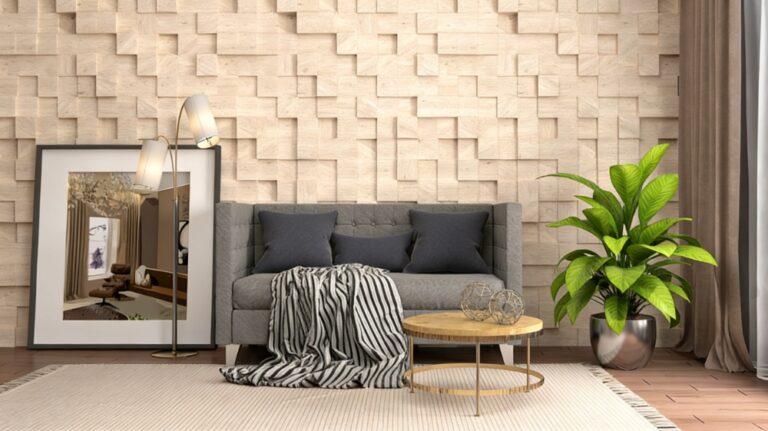
Whether you work from a home office or sip coffee on the rear deck, the areas we occupy hold greater importance these days. Last summer’s extreme heat spells and intense downpours pushed standard construction items to their breaking points. Numerous residents saw their costly timber barriers and outside coverings twist, lose color, or begin to decay. It proves aggravating to invest earned funds in house upgrades only to witness the elements ruin them within a short span. Individuals seek environments that appear organic and inviting. At the same time, they avoid the ongoing hassle of coating and protecting. This is precisely where sustainable covering enters to alter the approach. It connects the appealing style of genuine lumber with the sturdy, element-resistant qualities of current methods. As a result, your surfaces gain renewed vitality.
The Shift Toward Smarter Building Materials
For many years, genuine lumber served as the sole suitable option for a high-end appearance on your residence. But let us face the facts about lumber. It demands regular care, takes in dampness, and draws in wood-boring pests. Nowadays, constructors and wise residents turn from classic lumber. Instead, they search for blended surface covering. This type endures harsh sunlight and showers. Yet, it maintains the fresh-installed appearance even after time passes.
What Makes WPC Different?
WPC means Wood Plastic Composite. It differs from simple plastic, and it avoids being plain lumber too. Producers form this substance by combining about 60% reused lumber strands with 30% reused plastics plus 10% linking elements. This exact blend produces a plank that seems weighty and firm. Since the lumber strands sit enclosed in plastic, WPC covering seldom takes up liquid. Actually, many fine WPC planks show a liquid uptake level below 2%. Therefore, they avoid expanding and splitting during winter chills or prolonged spring showers.
Key Benefits of WPC Slat Cladding for Your Space
Picking the right material for your renovation is a big decision. You have to think about how the wall will look right now, and how much time you are willing to spend fixing it five years down the road. WPC slat cladding brings some very real, practical advantages to the table that make it a favorite for both busy homeowners and commercial property managers.
- Zero Painting Required: Nobody likes spending their weekend standing on a ladder with a bucket of paint. WPC boards come with the color mixed entirely through the material. They do not fade easily under UV rays, saving you hundreds of dollars in paint and stain over a decade.
- High Termite Resistance: Insects love natural wood. They will eat right through a cedar panel. The plastic content in composite wall cladding makes it highly resistant to termites, protecting the structural integrity of your walls.
- Striking 3D Visuals: Flat walls can look a bit boring. Slatted designs create deep shadows and lines that change as the sun moves across the sky. This adds a layer of architectural depth that makes a regular building look custom-built.
- Impact Resistance: Kids playing ball against the wall or accidental bumps from lawnmowers can dent aluminum or vinyl. A solid WPC wall panel is dense enough to handle everyday impacts without showing ugly dents.
Exploring Top Wall Cladding Solutions
Finding the exact match for your living room accent wall or your exterior facade can feel overwhelming because there are so many options out there. You want something that fits your personal style but also handles the physical demands of your local climate. Let us look at a couple of specific wall cladding solutions that combine visual depth with seriously tough physical properties.
The Classic Fluted Design
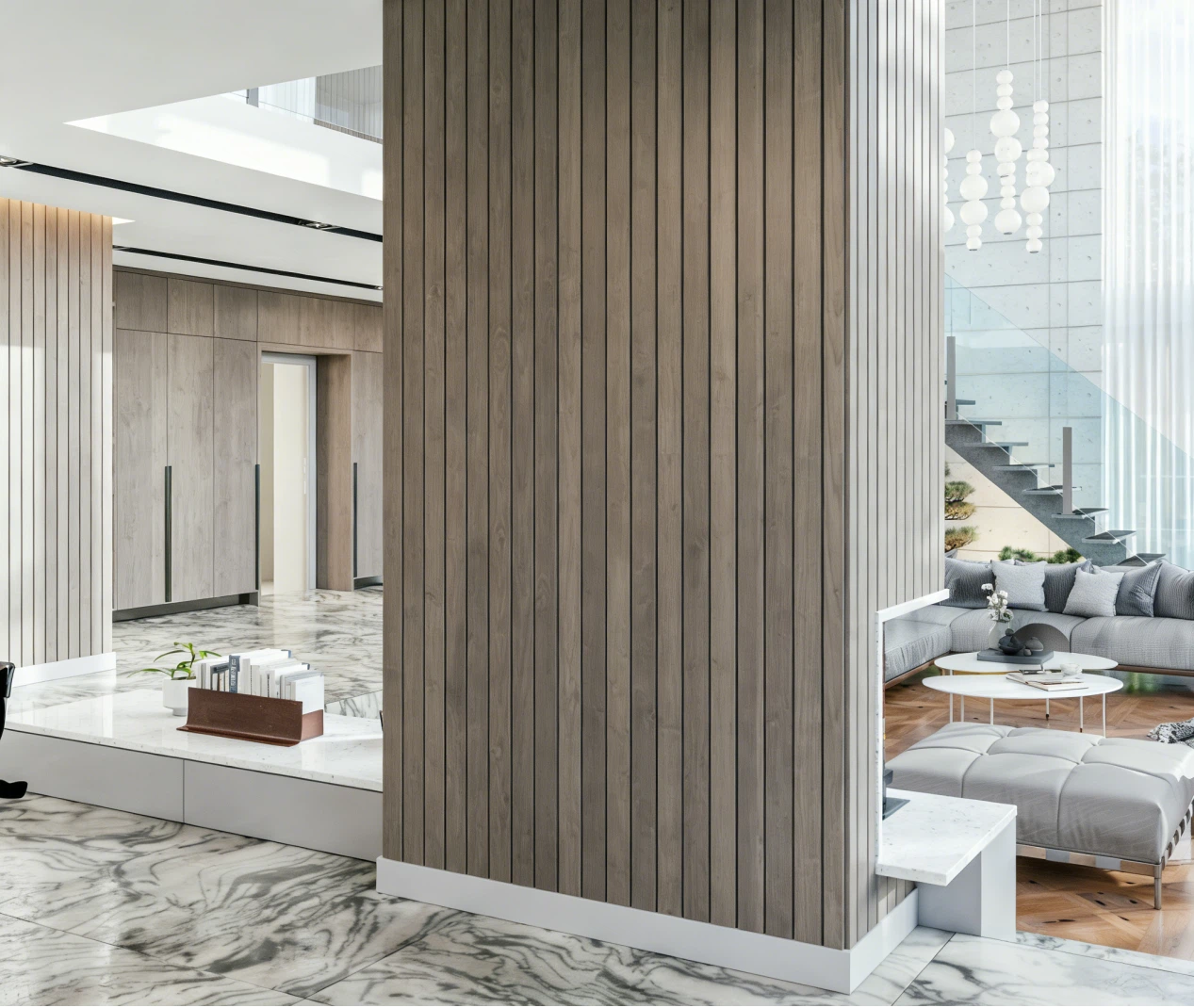
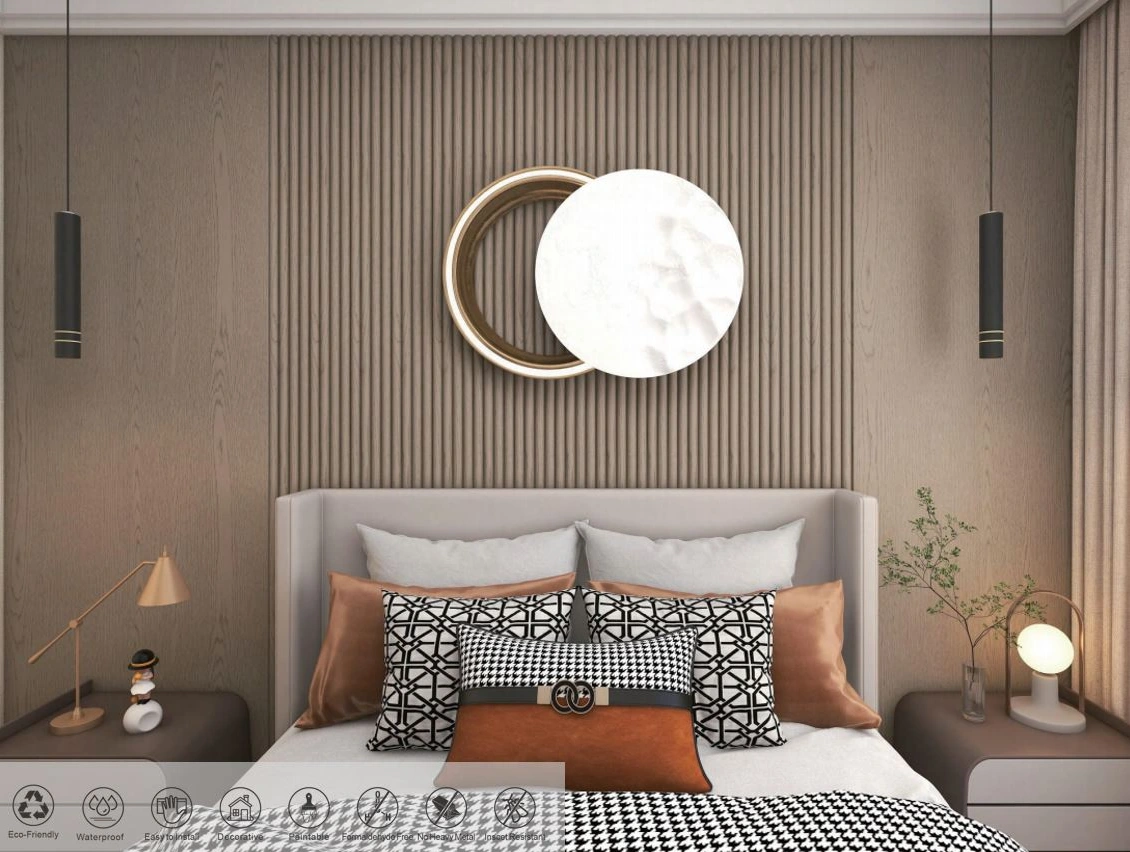
If you want a clean, modern, and rhythmic look, narrow slats are the way to go. They work beautifully for indoor TV background walls or outdoor shop fronts. A great example of this is the WPC wall panel WP15001. This specific profile gives you tight, consistent lines that draw the eye upward, making ceilings look taller and spaces feel larger. It is lightweight enough for an easy installation but thick enough to block out some street noise.
Deep Woodgrain Textures for a Heavier Feel
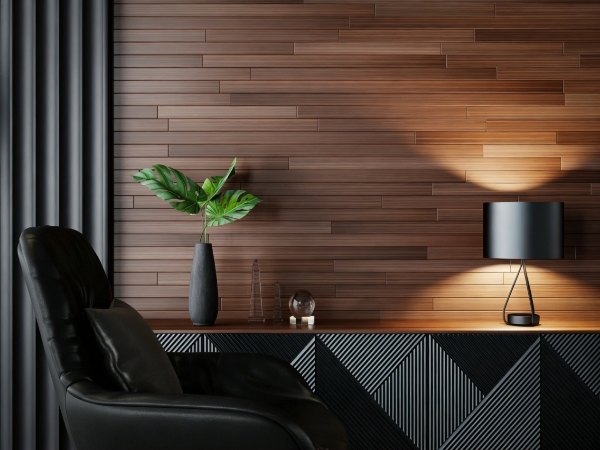
Sometimes a project demands a more robust, heavy-duty appearance, especially for large exterior walls or commercial buildings. You might want the panels to look exactly like large cuts of natural timber. For these situations, checking out the WPC wall panel WP16702 makes a lot of sense. The wider slat design and deeper woodgrain texture offer a more rustic, traditional vibe while still keeping all the waterproof benefits of WPC. You get the rugged look of a cabin with the performance of modern engineering.
Why Resource Efficiency Cladding Matters Today
Talk of green construction rules and emission traces fills conversations now. It may resemble a sales ploy. However, selecting sustainable covering truly aids the surroundings greatly by focusing on resource efficiency rather than a perfect circular loop. With WPC, you effectively utilize industrial byproducts. Each square meter of typical WPC plank holds the equivalent of several kilograms of recycled industrial plastics (such as HDPE or PP) and wood waste. Scale that to a full house front, and you divert a significant amount of industrial refuse from nearby dumps. Moreover, the lumber strands come from factory scraps or mill remains, usually maximizing the utility of existing harvested timber. It represents a practical application to repurpose factory leftovers into something attractive and enduring for your dwelling.
Installing Slatted Wall Panels Properly
The priciest, best blended surface covering fails if fastened straight to a solid substrate without a cavity. Dampness requires an exit path. The planks need space to vent. Skipping core setup steps leads to twisted planks or trapped liquid behind your fine new surface in the initial year.
The Importance of the Framework
You always need to install a sub-frame or joist system first. This creates a small gap between the actual building wall and the slatted wall panels. Air can flow through this gap, drying out any condensation. Also, because WPC contains plastic, it will expand slightly in the hot summer sun and shrink in the cold winter. You must leave a small gap—usually around 5mm—between the ends of the boards. Most modern systems use hidden metal or plastic clips that hold the boards tightly while still allowing them to slide just a tiny bit as the temperature changes. If you are unsure about the framing or how to handle corners, it is always a good idea to seek professional advice. The team at HUAHONG DECOR offers excellent guidance and service support to help you get your project done the right way.
Conclusion
You always need to install a sub-frame or joist system first. This creates a small gap between the actual building wall and the slatted wall panels. Air can flow through this gap. It dries out any condensation that forms. Also, because WPC contains plastic, it will expand slightly in the hot summer sun and shrink in the cold winter. You must leave a small gap—usually around 5mm—between the ends of the boards. Most modern systems use hidden metal or plastic clips that hold the boards tightly. They still allow the boards to slide just a tiny bit as the temperature changes. If you are ready to transform your walls with materials that are built to last, contact us today and find the perfect fit for your next big project.
FAQs
Q: How long does WPC cladding usually last?
A: Quality WPC cladding typically lasts 15 to 25 years with just basic water cleaning and zero painting.
Q: Are slatted wall panels truly waterproof?
A: Yes, the heavy plastic mix makes these slatted wall panels highly resistant to water and moisture damage.
Q: Can I use eco-friendly cladding indoors?
A: Absolutely. Eco-friendly cladding works great for indoor accent walls and ceilings without releasing toxic chemical smells.