Have you ever stepped inside your bathroom or basement only to notice that familiar “musty” smell? Perhaps you have also seen the wallpaper beginning to lift at the corners. This situation creates a frequent problem for many homeowners. It happens especially often during the wet season or in cities near the coast where the air always carries extra dampness. Ordinary drywall and wood trim simply cannot resist the steady steam and moisture. These materials tend to bend out of shape, decay, and in the end turn into an ideal environment for mold growth. As a result, a growing number of people search for improved alternatives such as waterproof wall panels. They use these to protect the inside of their homes effectively. The market now offers several choices including WPC, PS, and traditional PVC. With all these options available, it becomes simple to feel unsure about the right selection. Every type advertises itself as superior. However, the key question remains: which one truly holds its original shape in moist conditions? In this article, we will examine these materials closely so you can select the appropriate protection for your walls.
The Real Impact of Humidity on Your Home Surfaces
High humidity acts as a quiet threat to most building materials. Water vapor enters the small openings in wood or the layers of inexpensive wallpaper. This causes the materials to expand and then contract repeatedly. Over an extended period, such repeated changes weaken the structure of the wall. If you have observed paint that starts to bubble in a kitchen, you understand this process clearly.
To find a solution that lasts for many years, it is necessary to avoid organic materials. These types absorb water easily like a sponge. Instead, attention has turned toward panels that resist moisture well. They can manage even 90% humidity levels without any difficulty.
Why Standard Materials Fail in Damp Spots
Most common interior walls depend on plaster or natural wood for construction. These options appear attractive in a dry living room. Yet they create serious issues in a basement area. Wood has a porous nature by design. It allows air to pass through, which also means it takes in water readily. Once wood takes up moisture, it increases in size. When it loses the moisture later, it reduces again. This repeated cycle produces cracks and bending that paint cannot cover up completely. Moreover, moist wood serves as the main source of food for mold and mildew. The concern goes beyond appearance alone. It affects the health of all family members in the home. By changing to high-quality interior wall cladding, you eliminate the organic source that mold requires to develop. In this way, you create a much safer and cleaner space for your loved ones.
WPC Wall Panel: The Perfect Blend of Wood and Plastic
For strength in difficult locations, the WPC wall panel often becomes the preferred selection among experts. WPC stands for Wood Plastic Composite, and the name describes it accurately as a combination of wood fiber and plastic polymers. This mixture provides advantages from each component. You receive the comfortable, natural appearance similar to genuine timber. At the same time, you gain the strong water resistance that comes from plastic. The material feels solid and reliable when you pick it up.
It is produced through extrusion under strong pressure. Because of this process, the material reaches a high level of density. Such compactness makes it very hard for water molecules to enter the surface. No matter if you face a splash from the sink or steam in the bathroom, these panels remain smooth and straight.
Durability and Maintenance of WPC Cladding
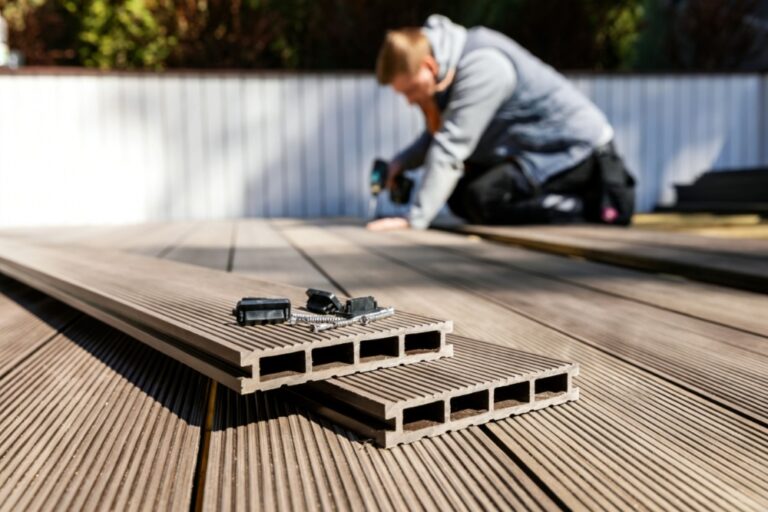
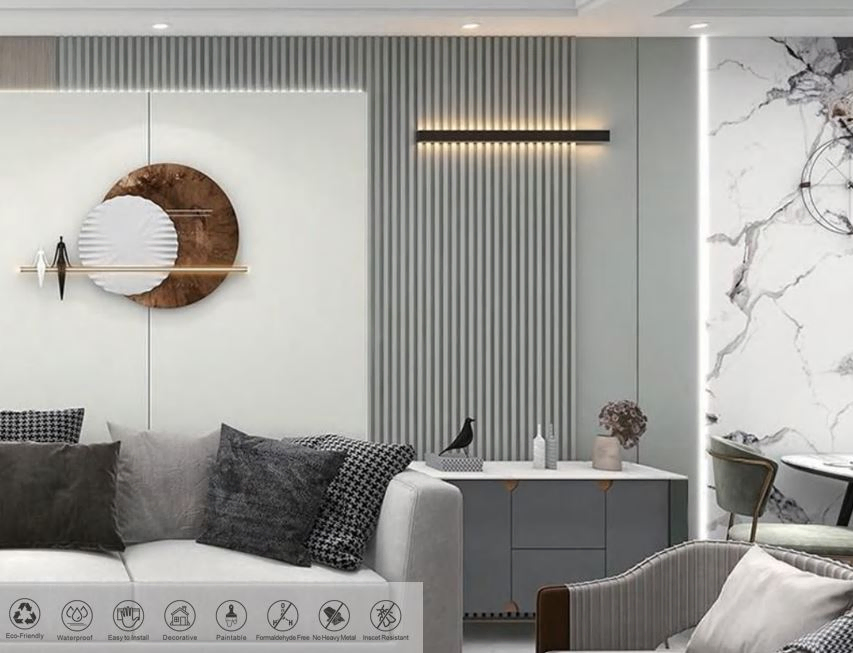
One major advantage of the WPC wall panel involves the minimal effort needed to maintain its fresh look. Consider a traditional wooden accent wall for comparison. You would have to sand it, apply stain, and add sealant every couple of years. The purpose would be to prevent decay. With WPC, all that effort disappears completely. The color becomes part of the material during production. Additionally, the plastic element functions as a natural sealant. For locations with heavy use or lots of moisture, this feature proves extremely helpful. You only need to clean it using a cloth that is slightly wet along with some gentle soap. The surface does not scratch without much resistance. It also avoids splintering. If you seek a particular suggestion, the WPC wall panel from HUAHONG DECOR serves as an excellent example. It includes a deep wood grain texture. It also has a sturdy “long square hole” grille design. This adds interesting dimension to any space. At the same time, it stays fully waterproof.
Environmental Benefits of Composite Materials
In today’s world, people also consider the effects of materials on their homes and the planet. Some individuals express concern that plastic could indicate harmful substances. However, superior WPC proves quite different in reality. A large portion of the wood fiber comes from recycled sources. The polymers often derive from recycled plastics too. Therefore, it represents a responsible option for those who care about the environment. At HUAHONG DECOR, the company advances this idea even more. Their manufacturing site employs modern catalytic combustion systems. These systems cut down emissions by 90 percent. They also manage wastewater through a closed-loop process. When you select these moisture-resistant panels from the company, you obtain a product without formaldehyde or heavy metals. As a result, it remains safe for use in bedrooms and areas where children spend time.
PS Wall Panel: High-End Style for Wet Rooms
If the WPC serves as the reliable heavy-duty choice, then the PS wall panel acts as the elegant and light option. PS stands for Polystyrene, which is a high-density thermoplastic material. You may recognize polystyrene from various other fields. In home decoration, it has been developed into a firm and strong substance. However, decorative PS panels mostly feature a foamed or hollow structure, meaning that long-term exposure to high-humidity environments can cause them to absorb moisture, swell, and deform. Therefore, it should not be considered a top choice for waterproofing.
Artistic Flexibility with Polystyrene
The appeal of a PS wall panel comes from its great adaptability. As a fully synthetic product, manufacturers can apply nearly any surface treatment to it. Examples range from smooth modern metallic finishes to highly realistic stone or wood appearances. HUAHONG DECOR maintains a design collection with more than 10,000 possibilities. Customers frequently choose PS for creating impressive accent walls. These appear in elegant hotel entrances or main bedrooms. The material does not bend out of shape. It avoids cracking as well. Furthermore, it resists insects such as termites. These pests often damage ordinary wooden walls. Overall, it functions as an “install and forget” item. It preserves its superior appearance across many years.
Ease of Installation and Handling
Handling PS panels turns out to be straightforward for most installers. You can trim them using regular tools meant for woodwork. Because they weigh little, you can often attach them securely with strong construction adhesive alone. Consequently, there is no need to create many holes in the walls. You also skip heavy equipment. For a fast update in a moist basement or as a kitchen backsplash, the PS wall panel delivers a skilled appearance. It does so without requiring expert costs or extended work periods. The product achieves a fine balance between an upscale visual effect and simple application.
Traditional PVC Wall Panels: The Cost-Effective Utility
Any discussion about waterproof wall panels must include the classic version: the traditional PVC wall panel. PVC has existed for a considerable time, and there are solid reasons for its popularity. It costs little, remains available everywhere, and resists rotting without question. For many years, it served as the standard selection in commercial kitchens and laundry spaces. Its practical nature made it ideal. Nevertheless, traditional PVC shows certain limitations when set against newer WPC or PS varieties.
Standard PVC panels frequently feature a hollow structure. They may seem somewhat light or obviously synthetic when touched. Although they perform well at blocking water, they do not always provide the sophisticated appearance that homeowners desire in primary living areas. These panels suit utility spaces or zones where practicality takes priority over style. Yet if you desire a striking impression, they could fall short in that regard.
Why Quality Matters in PVC
Quality levels differ greatly among PVC products. Lower-grade types may turn fragile after some time. This happens particularly when they face any direct sunlight. On the positive side, updated versions such as the SPC UV boards have narrowed the difference. These combine PVC with calcium powder. The result is a firmer surface that resembles stone. If you prefer the affordability of a PVC wall panel but hope for a marble-like look, these UV boards offer a suitable compromise. They continue to be fully waterproof. In addition, they prove much more robust than the older hollow styles.
Head-to-Head Comparison: Choosing the Right Panel for Your Project
Now imagine yourself in that humid room, facing empty walls. Which material should you select? If strength combined with a genuine wood sensation ranks highest for you, choose the WPC wall panel. It feels weighty and tough. Moreover, it gives the strongest sense of quality among the options. This type works well in places where walls could receive impacts from furniture or active children. It handles such contact without showing dents easily.
In contrast, if design variety matters more to you and you need a light solution for a dry decorative wall, the PS wall panel fits perfectly. If your budget is quite limited and you only require something functional for a mudroom or garage space, traditional PVC will serve the purpose adequately. However, it may not match the others in lasting quality or attractive style.
Conclusion
Choosing the right material for high-humidity areas doesn’t have to be a gamble. While traditional materials like wood and wallpaper will always struggle with moisture, modern alternatives like the WPC wall panel and PS wall panel have changed the game. WPC offers incredible strength and a natural wood feel, while PS provides unmatched design flexibility but is not 100% water-resistant and should be used with caution in damp conditions. Even the classic PVC wall panel has its place for budget-friendly utility. At HUAHONG DECOR, we pride ourselves on helping you find the perfect fit for your specific project. Whether you are looking for fluted wall panels to modernize your office or waterproof wall panels for a basement renovation, we have the expertise and the inventory to help. We encourage you to explore our full range of services and contact our team today. Let’s work together to build a space that looks beautiful today and stays that way for years to come.
FAQs
Q: Can I use WPC wall panels inside a shower?
A: While WPC is highly water-resistant, we generally recommend SPC panels for direct, constant water contact.
Q: Are fluted wall panels hard to clean?
A: Not at all! A simple dust or a wipe with a damp cloth is usually enough to keep them clean.
Q: Do PS wall panels require a professional installer?
A: No, they are very lightweight and DIY-friendly, often requiring only basic tools and adhesive for a great finish.