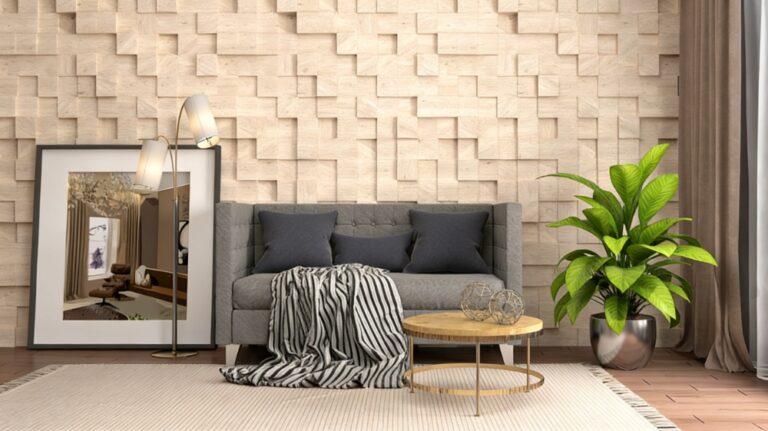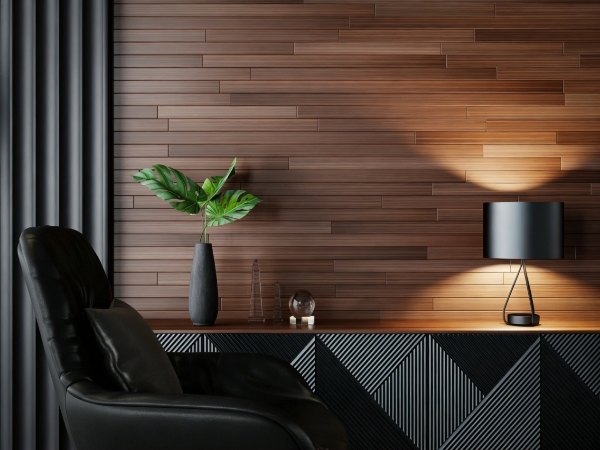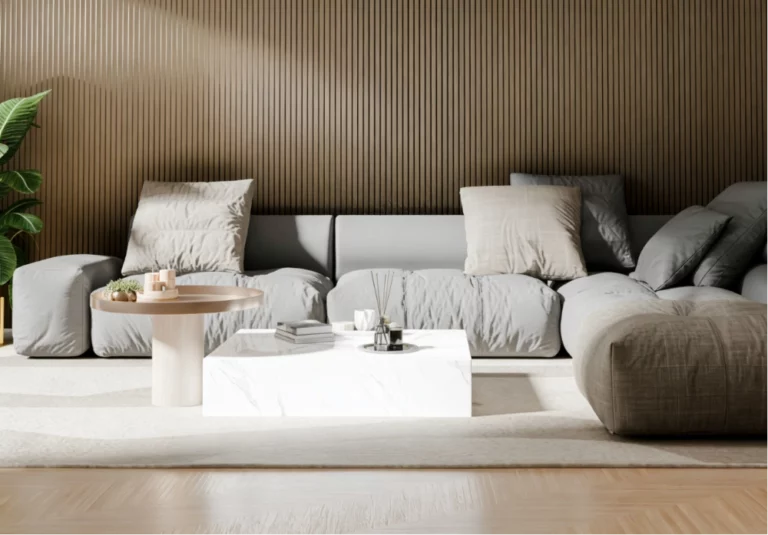
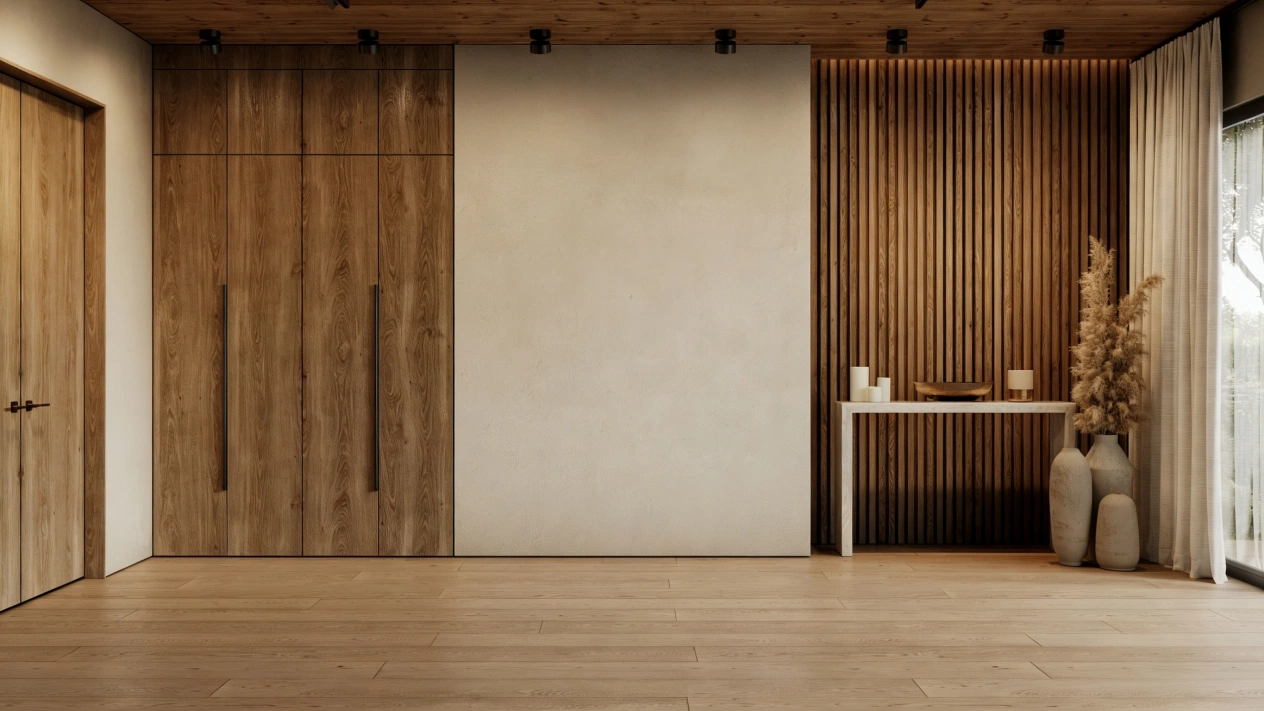
You walk into a high-end hotel lobby or a beautifully renovated home, and your eyes are immediately drawn to the warm, rich textures of the walls. It looks like wood. It feels sophisticated. Naturally, you assume it is timber—until you ask the contractor or the designer. More often than not, the answer now isn’t oak or walnut; it is high-density polystyrene.
The desire to bring natural elements indoors—often called biophilic design—has never been stronger. We crave that organic connection in our living rooms and workspaces. However, the reality of using real wood is often less romantic than the aesthetic. It warps in humidity, it requires constant maintenance, and the cost can break a renovation budget before the project even starts. This is where modern material science steps in. We are seeing a massive shift as architects and homeowners alike move away from traditional timber in favor of smarter, more durable wood paneling alternatives. Let’s explore why this material is rapidly becoming the industry standard.
The Reality Behind the Shift from Timber
It is not only about cost, though that surely matters a lot. The switch from solid wood to newer blends marks a basic shift in how we think about lasting power and usefulness in interior wall cladding. For years, wood stood as the sole pick for getting a detailed, upscale appearance, but it brought a lengthy set of downsides that folks just had to put up with.
Now, we can skip those trade-offs. We no longer pick between a nice look and something that truly holds up. Experts are focusing more on options that handle everyday wear—like animals, dampness, and shifts in heat—without calling for a new layer of finish every couple of years. This sensible take on high style has cleared the path for better fake materials that copy nature spot-on. At the same time, they fix the everyday problems of older choices.
The Hidden Costs of Traditional Wood
When you look at the lifecycle of a traditional wooden wall, the initial purchase price is just the tip of the iceberg. Wood is hygroscopic, meaning it absorbs moisture from the air. In a humid summer, it swells; in a dry winter, it shrinks. Over time, this movement causes cracks, warping, and the “popping” of nails or glue bonds. Furthermore, maintaining that pristine wood grain often involves sanding, staining, and sealing, which are labor-intensive and costly tasks. This maintenance burden is a primary driver leading people to seek out wood paneling alternatives that offer the same visual warmth without the demanding upkeep.
Decoding Polystyrene (PS) Wall Panels
Many people hear “polystyrene” and immediately think of the white, crumbly foam used in packaging electronics. That is expanded polystyrene (EPS). What we are discussing here is entirely different. High-density polystyrene wall panels are architectural-grade materials engineered for structural integrity and surface hardness. They are solid, impact-resistant, and created using advanced extrusion technologies that allow for incredible precision.
At HUAHONG DECOR, we have spent years refining this technology. Backed by a parent company with over 26 years of experience in the decor industry, we don’t just produce panels; we engineer art. We utilize hot stamping technology to fuse high-definition textures directly into the core of the panel. This ensures that a PS wall panel isn’t just a piece of plastic; it is a durable design element that rivals the real thing in both look and touch.
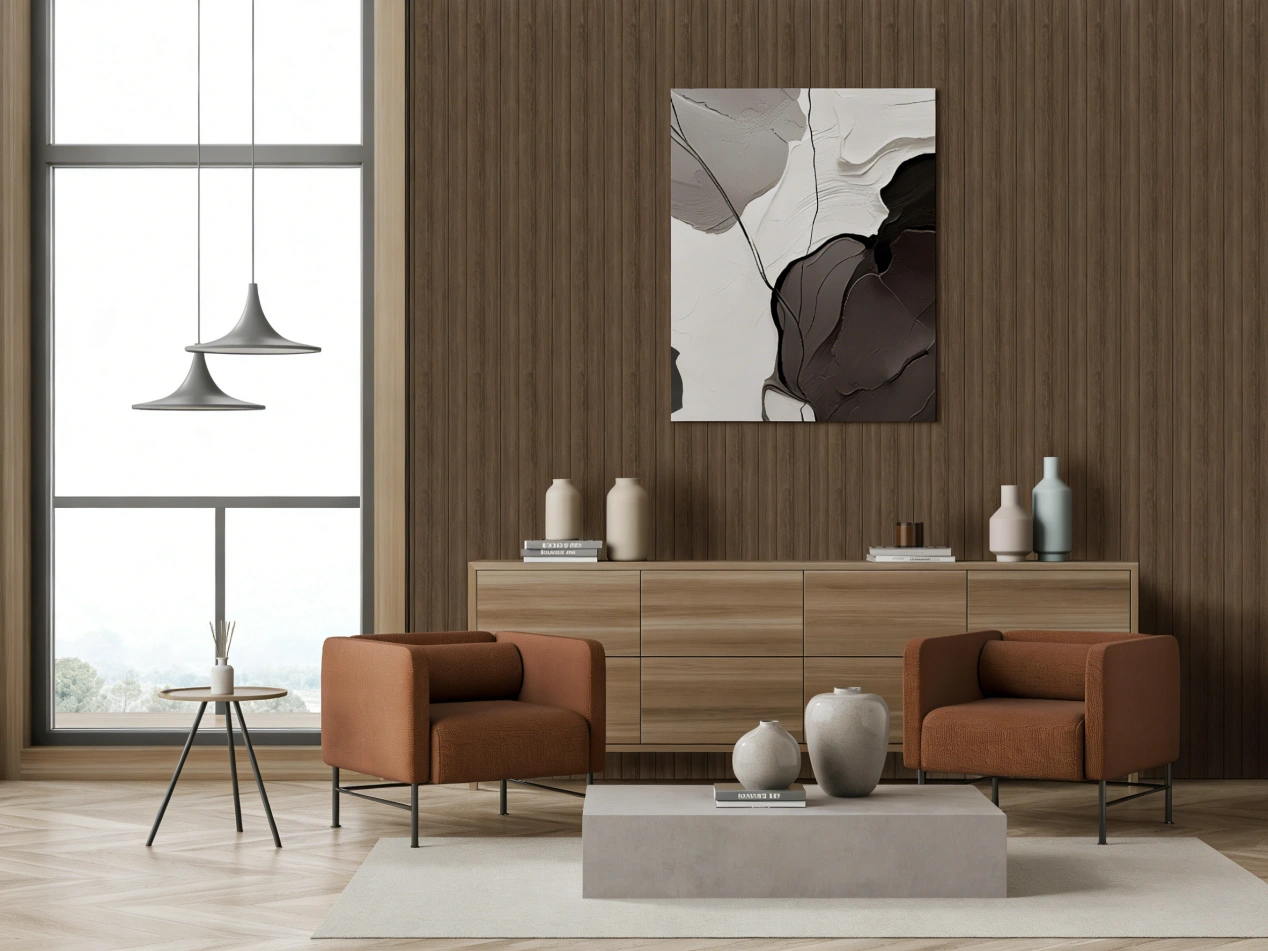
Aesthetic Versatility and 3D Designs
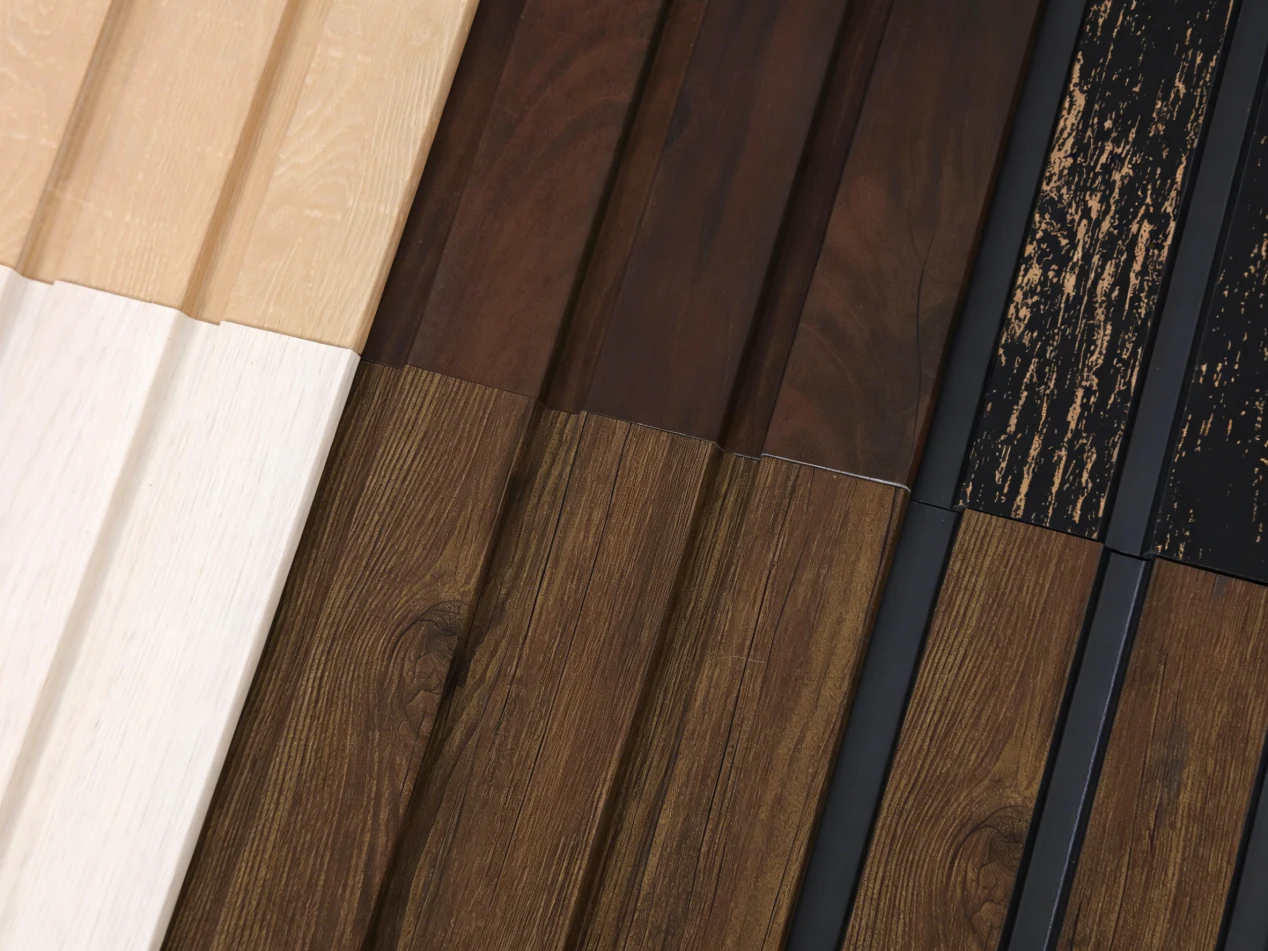
One of the coolest parts of PS lies in how well it shapes. Wood needs cutting or shaping—a way that throws out material and caps how fancy the design can get. PS, however, gets pressed into detailed forms without any loss. This lets creators build eye-catching 3D wall panels that bring layers and light play to a space. If you seek a grooved “Great Wall” style or a tricky shape pattern, PS manages it smoothly. With a collection of over 10,000 patterns and styles, our group of more than 100 creators makes certain that if you aim for marble, cloth, or uncommon wood looks, the outcome blends right in with the real deal.
From simple strip walls to strong creative displays, the range of polystyrene lets you reach top-tier styles that real wood could not handle or would cost way too much.
The Waterproof Revolution in Interiors
If you ever tried putting wood trim in a bathroom or basement, you know the worry it brings. Wood and moisture do not mix. Even with thick coatings, dampness sneaks through in the end, causing decay, fungus, and stains. This flaw has long blocked pretty wall patterns from “damp spots” such as kitchens and baths.
This stands as the top perk of polystyrene wall panels: they block water fully. Such a feature unlocks fresh ways to style. You can now get that cozy wood-strip appearance next to your shower or by your sink without any stress.
Why Waterproofing Matters for Longevity
When we discuss waterproof wall panels, we go beyond just spills. We cover everyday damp air and staying power. In beach towns or places with lots of moisture, wood pieces can start to break down in just a few months after setup. PS pieces, formed from dense plastic, keep water out. They avoid swelling, they skip rotting, and they never support mold growth. All these position them as the clean and strong pick for home baths and busy business spots like hotels and wellness centers, where washing happens often and dampness lingers.
Installation: Faster, Cleaner, Lighter
Time means cash, above all on a job site. Old wood covering weighs a ton. It calls for straight studs, big nail tools, and usually two or more workers just to steady a board. After that comes the grinding and on-site coating, which stir up dirt and harsh smells.
By comparison, easy-to-install wall panels from PS change everything for builders and home fixers. They weigh much less than wood or MDF (Medium Density Fiberboard). A typical 2.9-meter piece of our common types can usually be managed by one worker alone.
The Mechanics of Easy Installation
The smart part of the PS wall panel setup comes from its build. Many current panels include a fitting ridge-and-slot method or a basic snap setup. So, you skip needing pro wood skills for a smooth end result. Often, you can attach them straight onto current wallboard with building glue and a handful of pin fasteners. No dust from cutting, no varnish odor, and the area works right after the final panel goes in.
For a clear case of this simple approach, check the PS Wall Panel F16002. At 160mm wide, it covers walls fast, and its carefully made edges guarantee a tight join that covers the base wall fully. This quick setup can cut worker expenses by large amounts compared to old wood work.
Sustainability and Responsible Manufacturing
Some think “plastic” right away spells “harmful to nature.” But if you view the whole life of the item, PS panels frequently do better than wood. Chopping down aged forests for wall decor looks more and more unwise. Plus, the harsh treatments to stop wood rot often harm the air.
A careful wall panel manufacturer follows a loop-based way of making. At HUAHONG DECOR, we stick to green making steps. Our plant uses top-notch carbon capture and burn systems to cut outgassing by more than 90% in the process. Furthermore, our “Zero-Waste” initiative ensures that our materials are recyclable. By choosing a high-quality synthetic, you are saving trees and choosing a product that releases no formaldehyde into your home, ensuring better indoor air quality for your family.
Real-World Applications for Every Space
The range of interior wall cladding with PS means it fits any room type. Thanks to the upsides we covered—like water blocking, strength, and style—these panels now appear in all parts of new builds.
In the family area, they make great backdrops for TVs that tuck away wires. In the sleep space, they work as full-wall bed ends that bring comfort and noise reduction. Business users put them along long halls in work buildings where plain walls get marked by moving gear. The solid face of PS fights off bumps and scrapes far better than coated plaster, so the place stays fresh for a long time.
If you are unsure which style fits your project, browse our comprehensive Wall Panel collection. Whether you need the rugged durability for a hallway or a delicate texture for a nursery, the range of options ensures you don’t have to settle for a “close enough” match.
Conclusion
The choice between PS and wood is no longer about “real vs. fake.” It is about “traditional vs. evolved.” While wood will always have its place in heritage restoration, for the modern home and commercial space, polystyrene wall panels offer a superior blend of beauty, durability, and value.
With 26 years of heritage and a massive 10,000+ texture library, HUAHONG DECOR stands ready to help you transform your space. We invite you to explore the possibilities. If you have a custom project in mind or need guidance on specifications, please contact us. Let’s build something beautiful that lasts.
FAQ
Q1: What is the main difference between a PS wall panel and a traditional wood panel?
A: The main difference is material composition. PS (Polystyrene) is a high-density synthetic that is waterproof, lighter, and rot-proof, whereas wood is organic, heavy, and susceptible to moisture damage.
Q2: Can I install waterproof wall panels in my shower area?
A: Yes, because they are 100% waterproof, PS panels are excellent for high-humidity areas like bathrooms and kitchens where wood would typically warp or grow mold.
Q3: Are these panels difficult for a DIY beginner to install?
A: Not at all. These are designed as easy to install wall panels. They are lightweight and usually require only construction glue and clips, removing the need for complex carpentry tools.