يحب العديد من أصحاب المنازل المظهر الطبيعي للخشب في منازلهم. ويبدو دمج هذا الشعور المريح والأرضي في الحمام أو القبو الرطب كخيار تصميم ذكي. ومع ذلك، فإن الرطوبة المفرطة تشكل مشكلة خطيرة لمواد البناء التقليدية. يملأ الغلاف الجوي بقطرات الماء، وتبحث هذه الرطوبة عن بقع لتتجمع وتخترق.
وهذا يؤدي إلى مناقشة مهمة في مجال تحسين المنزل: لوحات خشبية حقيقية كلاسيكية مقارنة مع WPC المعاصرة (مركب خشبي بلاستيكي). أي خيار يستمر حقًا عندما تتحول الظروف إلى رطوبة وضبابية وفوضوية؟ سندرس كيف يؤدي كل واحد تحت هذا الضغط ، حتى تتمكن من اختيار الخيار الأكثر حكمة لمساحة المعيشة الخاصة بك.
تحدي المساحات الرطبة لتغطية الجدران الداخلية
بينما تقوم بتنظيم ترقية المنزل ، تثبت مناطق مثل غرفة المعيشة التي تبقى جافة بسهولة في الأسلوب. ومع ذلك ، فإن التحول إلى مواقع ذات بخار ثابت أو رذاذ متكرر أو ظروف رطبة يضيق اختياراتك بسرعة. تحتاج إلى مادة تطرد السائل بشكل طبيعي لمنع المشاكل الكبيرة.
لفهم سبب اختيار المواد المناسبة لهذه الأهمية ، فكر في الرطوبة التي تلحق حقا بالمبنى.
- بخار الماء المخفي: حمام’ يمكن أن يرتفع مستوى الرطوبة بسهولة إلى 90٪ بعد دش واحد. حتى لو قمت بتشغيل مروحة العادم ، فإن الرطوبة تبقى في الهواء لساعات ، وتتسلل ببطء إلى الأسطح المسامية. القبو ليست أفضل بكثير ، وغالبا ما تجلس في رطوبة 60٪ إلى 70٪ على مدار السنة.
- تهديد العفن: البيئات المظلمة والرطبة والدافئة هي أرض التكاثر المثالية للعفن. إذا كان غطاء الجدران الداخلي الخاص بك يحتجز الرطوبة ، فستبدأ جراثيم العفن في النمو وراء الكواليس. هذا يدمر جدرانك ويؤذي جودة الهواء الداخلي.
- الانهيار الهيكلي: تدمر دورات التبلل والتجفيف المستمرة المواد الضعيفة. تبدأ الأشياء في التقشير والتشقق وفي النهاية تتفكك. تحتاج إلى مواد البناء التي لا تهتم إذا تم رشها كل يوم.
كيف تتعامل لوحات الخشب الحقيقية مع اختبار الرطوبة
لا أحد يمكن أن يتنازع على سحر الخشب الحقيقي. يوفر الراحة الرائعة والحبوب الطبيعية لأي منطقة في منزلك. لكن وضع هذه المادة في موقع رطب يبدأ التجربة الحقيقية. يتصرف الخشب مثل الإسفنجة ، ويجذب السائل مباشرة من الغلاف الجوي الرطب.
التورم والتشويه مع مرور الوقت
الخشب الأصلي يحتوي على مكياج أليفي يمتص السائل بحماس. عندما تنمو البيئة ضبابية ، تأخذ الألواح الخشبية الحقيقية تلك الرطوبة المعلقة. وبينما يمتصونها، تمتد خيوط الخشب في الواقع. في مساحة رطبة للغاية ، يمكن للخشب الطبيعي أن يتوسع بنسبة 4٪ إلى 6٪ في الأبعاد.
بمجرد أن تجف المنطقة في النهاية ، يتقلص الخشب مرة أخرى. تكرار هذه العملية يوميا يخلق توترا كبيرا في المادة. بعد سنة أو سنتين ، تبدأ في رؤية الألواح تلتفي. يمكن أن تنحني إلى الخارج ، أو تنحني على الجانبين ، أو تنفصل عن السطح تمامًا. تتشكل المساحات بين الشرائط ، مما يفسد تلك النهاية المستمرة التي استثمرت فيها. بالكاد تتطابق مع الحمام المثالي الذي تصورته.
الحاجة المستمرة للصيانة المكلفة
قد تمكن الخشب الطبيعي من الاستمرار في المناطق الرطبة ، لكنه يتطلب جهدًا كبيرًا. لتحويل الخشب العادي إلى لوحات تقاوم الرطوبة ، ضع طلاء كيميائي ممتاز. وعلاوة على ذلك، تتكرر هذه المهمة بانتظام.
يجب على المهنيين تسوية الأسطح وإضافة التشطيبات المضادة للماء العذب كل 12 إلى 18 شهرًا. إذا تجاهلت منطقة واحدة أو سمحت للطلاء أن يرق، سيتسلل السائل. بعد خرق الرطوبة لهذا الدرع، يبدأ التحلل في استهلاك الخشب داخليا. تبديل الأقسام المتحللة تكلف مئات الدولارات ، بالإضافة إلى الاضطراب ومشاكل تفكيك أسطحك مرة أخرى. معظم الأفراد يفتقرون إلى الجدول الزمني لإدارة هذا الروتين الشاق.
لماذا لوحات الجدار WPC Excel في البيئات البخارية
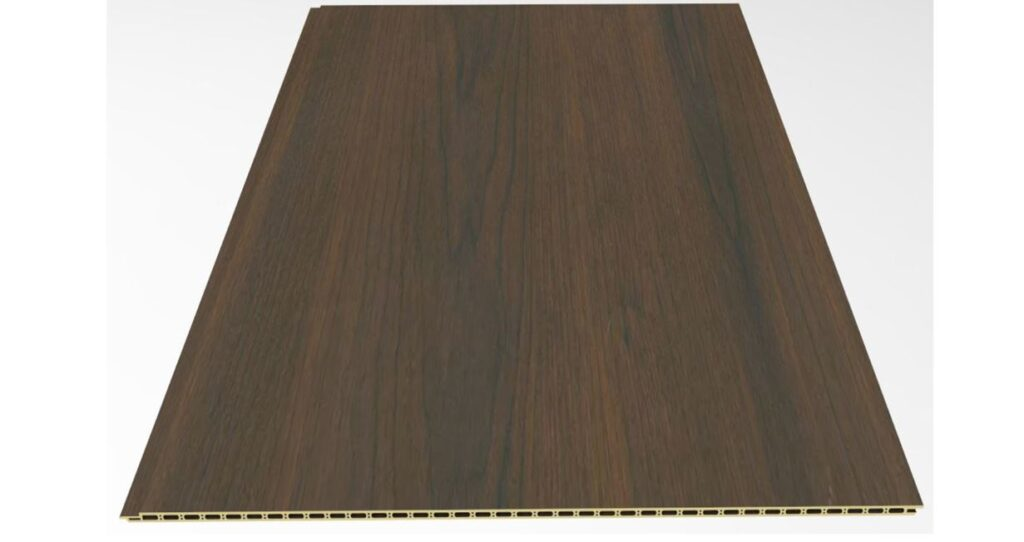
إذا كان الخشب الطبيعي يكافح كثيرًا ، فما هو البديل لهذا المظهر المريح والمنسج؟ الخشب البلاستيك المركب يغير اللعبة تماما. من خلال خلط ألياف الخشب المعاد تدويرها مع البوليمرات القاسية ، تعطيك هذه المادة الجاذبية البصرية للخشب دون نقاط الضعف. Let’ نرى لماذا يهيمن على المناطق الرطبة.
حماية كاملة ضد أضرار المياه
السر وراء لوحات الجدران WPC يكمن في كيفية صنعها. أثناء التصنيع ، يتم ملف ألياف الخشب الخام بالكامل وتقفل داخل البلاستيك الثقيل. وهذا يخلق حاجزا صلبا لا يمكن للماء ببساطة أن يمر من خلاله.
بسبب هذا المزيج الفريد ، فهي تعمل كلوحات جدارية مقاومة للماء المثالية. معدل امتصاص المياه من WPC عالية الجودة منخفض بشكل لا يصدق - عادة أقل من 1٪. عندما يصطدم البخار الساخن السطح ، فإنه يتحول إلى حبات مياه صغيرة ويتداول نحو الأرض. يبقى جوهر اللوحة جافاً تمامًا. لن تضطر أبدا للقلق بشأن تورم اللوحات أو التشقق أو نمو العفن الأسود الخطير وراء إعداد دشك الجميل. إنه مادة بنيت خصيصا لتأخذ ضرب من الرطوبة الثقيلة.
الاستقرار على المدى الطويل بدون الجور
ربما أكبر ميزة للمواد المركبة هي الحرية التي تعطيك. على عكس الخيارات الطبيعية ، لا تحتاج أبدا إلى الرمال أو البقع أو الطلاء أو ختم WPC. يتم بناء الطبقة الواقية مباشرة في المنتج من اليوم الأول.
استخدامها كلوحات جدار الحمام يزيل مهامك الروتينية. إذا كانت تتراكم بقايا من الصابون أو رشاشات المعجون، ببساطة استخدم قماش رطب وتنظيفها في عشر ثوان. على مدى فترة 10 سنوات نموذجية ، يمكن لتجنب الطلاءات والإصلاحات السنوية بسهولة توفير أكثر من 1000 دولار في النفقات. يحافظون على شكلهم ، ويحافظون على ظلهم الساطع ، ويبدون طازجين لفترة طويلة بعد أن تتحلل العائدات الخشبية التقليدية.
الاختيار الصحيح لمشروع التجديد الخاص بك
يعتمد اختيار المادة المثالية على موقع التثبيت ومقدار الوقت الذي تريد تكريسه للرعاية. إذا كنت ترغب في منطقة تبدو رائعة دون إصلاحات مستمرة ، فإن المواد المركبة من الواضح أنها تقود الطريق. لتحديث غرفة المعيشة أو منطقة النوم الجافة، لا يزال الخشب الأصلي اختيار جميل. لكن الدخول إلى الحمامات أو صالات القبو أو مساحات المرافق يتطلب الحذر.
بالنسبة للمقيمين الذين يبحثون عن وجود خال من المتاعب ، فإن التحقق من مقدمي الخدمات الموثوقين يثبت أنه ضروري. على سبيل المثال ، فكر في خيارات جذابة وفعالة مثل لوحة الجدار WPC WP40002 من هواهونغ ديكور. تقدم هذه الألواح النمط الحقيقي والألوان العميقة من الخشب الفعلي ، ومع ذلك فهي تشمل مقاومة السائل القوية للتكنولوجيا الحالية. إنها تثبيت بسهولة ، وتدعم البيئة المحيطة ، وتتحمل أرطب أجزاء منزلك.
إذا كنت لا تزال غير متأكد من الكمية المطلوبة أو التصميم المناسب لترتيبك ، فإن البحث عن مدخلات متخصصة يساعد دائما. يمكنك اتصل بـ HUAHONG DECOR فريق خدمة العملاء للحصول على توجيه خبير لمشاريعك الداخلية. يمكننا مساعدتك في العثور على ما تحتاجه بالضبط لجعل جدرانك مقاومة للغاية لضرر الرطوبة.
استنتاج
لا يجب أن تكون خطط ترميم منزلك مرهقة. في حين أن السحر التقليدي للخشب صعب تجاهله ، إلا أنه ببساطة لا يمكن مكافحة الرطوبة الثقيلة دون صيانة مستمرة ومرهقة. سوف تتحرك الألواح الخشبية الحقيقية في النهاية وتتضخم وتتطلب وقتك ومالك. على الجانب الآخر ، يعطيك WPC نفس الجمالية الجميلة بالضبط ولكن يضيف مقاومة للرطوبة المحسنة من خلال البناء المركب. إنها تقف قوية باعتبارها لوحات مقاومة للرطوبة موثوقة للغاية تبقي منزلك تبدو طازجة لعقود. من خلال اختيار المواد المركبة ، يمكنك توفير الصداع في المستقبل والاستمتاع بمساحة مذهلة. إذا كنت تريد راحة البال في غرفك الأكثر رطوبة ، فإن WPC غالباً ما يكون الخيار الأكثر عملية للبيئات ذات الرطوبة العالية.
الأسئلة الشائعة
س: هل لوحات الجدران WPC آمنة لمناطق الاستحمام؟
ج: نعم. لوحات الجدران WPC تعمل كلوحات الجدران المضادة للماء الرائعة ، مقاومة العفن والرش اليومي بشكل مثالي.
س: هل يمكن أن تعمل الألواح الخشبية الحقيقية بشكل جيد في الحمام؟
ج: يمكنهم ، ولكن لوحات جدار الحمام المصنوعة من WPC تتعامل مع الرطوبة العالية بشكل أفضل بكثير دون تعفن.
س: هل تحتاج الألواح المقاومة للرطوبة إلى أي تنظيف خاص؟
ج: لا. ببساطة مسح غطاء الجدار الداخلي هذا بالماء الصابوني الخفيف لإزالة الأوساخ اليومية بسرعة.