Каковы проблемы прибрежной среды?
Почему прибрежные районы особенно жестки для строительных материалов?
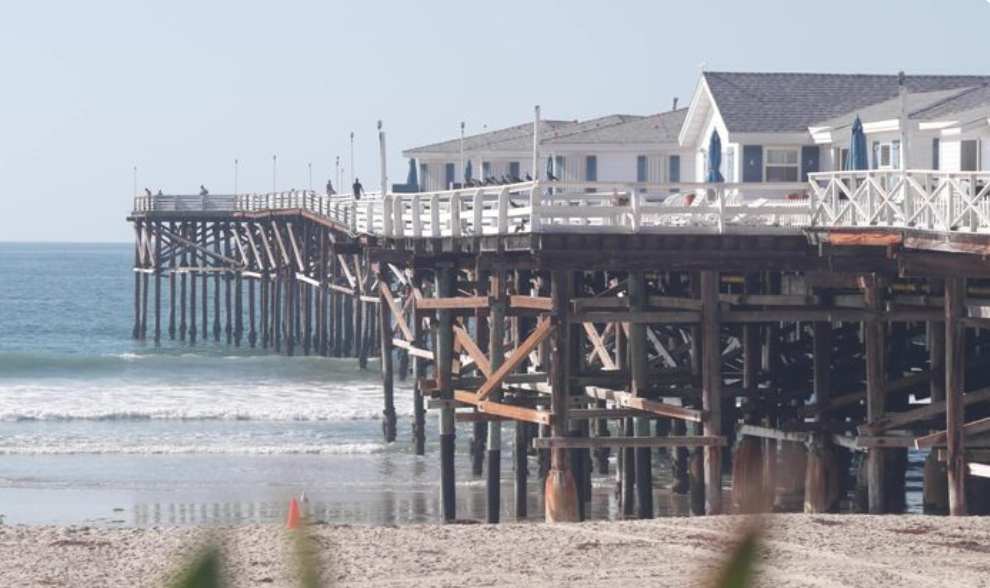
Прибережная среда создает особые проблемы для строительных проектов. Они происходят от сильной влаги, воздуха, наполненного солью, и постоянного контакта с ветром и солнечным светом. Соленный воздух наносит серьезный ущерб. Соль в воздухе ускоряет ржавку, притягивая воду, которая начинает реакции на поверхностях структуры. Эта проблема сильно поражает материалы старого стиля, такие как сталь, которая быстро ржавит, и сырая древесина, которая легко поглощает воду, в результате чего распад и распад.
Сольный спрей развивается, когда порывы проходят над морем. Они поднимают небольшие куски океанской воды. Эти куски несут расплавленные соли, в основном хлорид натрия, плюс дополнительные минералы. Когда соляные куски достигают внешних зданий, они создают воздействие ржавки.
Кроме того, сочетание тепла, влажности и поривов может привести к постепенному повреждению структур. Стальные детали обычно требуют регулярного перепокрытия или покрытия для борьбы с ржавью. Деревянные конструкции могут быть заменены из-за крущения или роста грибков.
Как солевая коррозия влияет на стенные панели со временем?
Сольная коррозия происходит, когда куски хлорида из океанской воды или соленого ветра смешиваются с строительными материалами. Хлорные куски могут проскользнуть в внешний слой вещества. Это приводит к ржавчине и разрушению. Кроме того, соль вытащивает воду из воздуха. Это делает влажное пятно, которое быстрее подталкивает ржавку. Когда эти куски приземляются на стенных панелях, они извлекают воду из окружения. Это вызывает реакции, которые меняют цвет и медленно смягчают вещество.
Для стенных панелей по береговым линиям это обычно приводит к тупым покрытиям, выпуклым панелям от поглощения воды и более слабой прочности строительства. Продолжительный эффект приводит к более высоким расходам на обслуживание. Регулярные проверки, стирание и обмены необходимы для поддержания визуального и рабочего уровня.
Что делает стенные панели WPC подходящими для прибрежного использования?
Что такое Панель стены WPC Из чего?
Стенные панели WPC изготовлены из пластика ПВХ и экструзии порошка из дерева, а поверхность покрыта пленкой из деревянных зерен, чтобы показать эффект. Эта смешанная настройка придает очарование реальной древесины, одновременно повышая рабочие черты с добавленными пластмассами.
Эти панели производятся из смешивания деревянных нитей или порошка с термоформляемыми пластмассами. Они включают в себя дополнительные средства, такие как связывающие агенты, гладильники и стабилизирующие соединения. Конечным продуктом является материал, который объединяет верхние части дерева и пластика. Особенно, теплоформуемая основа борется с поглощением воды и защищает внутренние нити от вреда воды. Кроме того, большинство WPC-панелей получают УФ-стабилизирующие и цветоохранные крышки. Они подходят для длительного внешнего контакта без падения оттенка или ощущения.
Как панели WPC сопротивляются повреждениям, вызванным солью?
Панели WPC подходят для использования на берегу по природе из-за их неметаллического макияжа. Пластик борется с ржавьей сам по себе. Он избегает смешивания с хлоридными кусочками в соленом тумане. Это исключает ключевой способ, которым соль вредит старым материалам, таким как сталь или голая древесина.
Небольшая открытость панелей WPC означает меньше способов для соли и воды, чтобы попасть в. Связывающие агенты и экстра в изготовлении краватки деревяни и пластиковой фирмы. Это создает прочную настройку, которая снижает контакт с ржавьей. Охранные крышки также отталкивают воду. Они снижают шансы на постоянный вред.
Сравнение стенных панелей WPC с традиционными материалами в прибрежных районах
Являются ли WPC-панели более прочными, чем дерево или металл в морском климате?
- Да. - Да. Обычная древесина часто испугается, крутится или рушится под постоянной влажностью и соляным туманом. Для сравнения, эти панели дают более сильную борьбу с водой, крутением и ударами. Они обещают долговременную силу с небольшим обслуживанием. В отличие от стальных панелей, которые медленно распадаются в соленом ветре, WPC сохраняет твердую конструкцию.
Пластиковая основа в панели WPC работает как блок. Это не позволяет соли проникать глубоко в материал. Поэтому владельцы домов и строители могут пропустить часто повторное покрытие для стали или восстановление для деревянных покрытий.
Каковы долгосрочные преимущества использования панелей WPC в Прибережное строительство?
Из-за их сильной конструкции и небольших требований к обслуживанию, панели WPC значительно снижают затраты на полный срок службы. Часто вызов к исправлениям или обменам падает. Это происходит потому, что эти панели сделаны для обработки береговых напряжений.
Кроме того, по мере того, как они сохраняют свой оттенок и наращивают силу на протяжении многих лет, владельцы недвижимости получают от лучшего внешнего вида и, возможно, большей стоимости. Планирование денег становится более стабильным, поскольку расходы на обслуживание значительно падают.
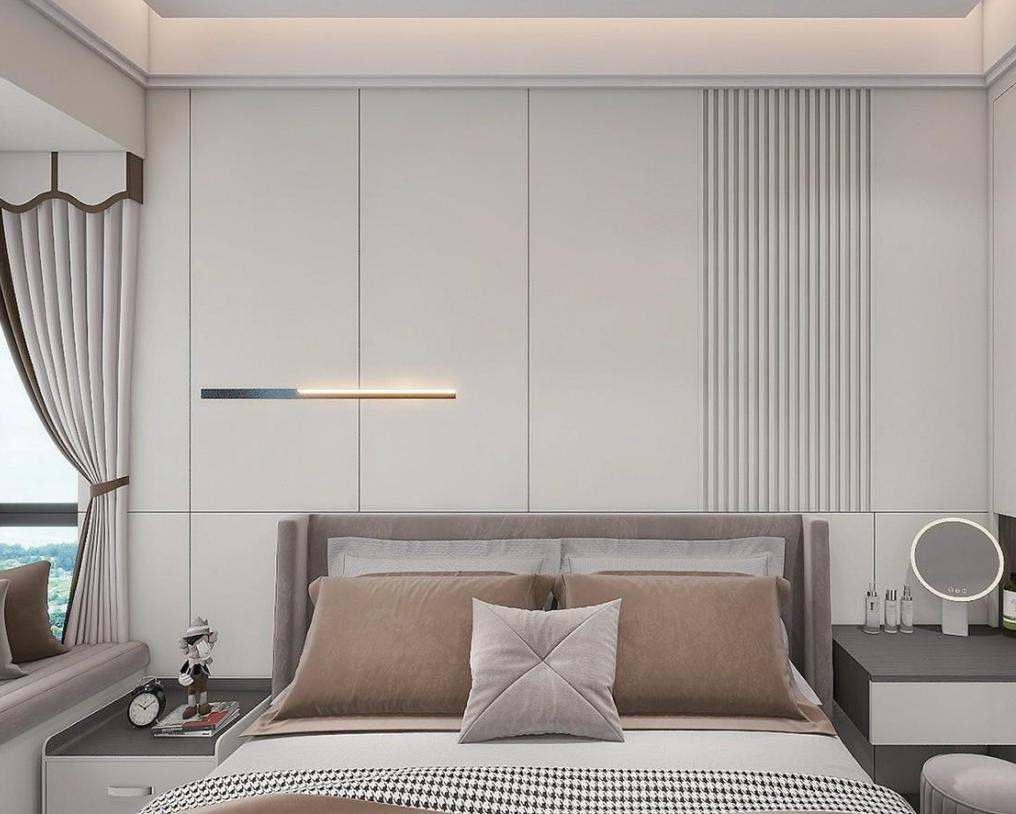
Дизайн и эстетическая гибкость с настенными панелями WPC
Могут ли стенные панели WPC соответствовать современным архитектурным стилям?
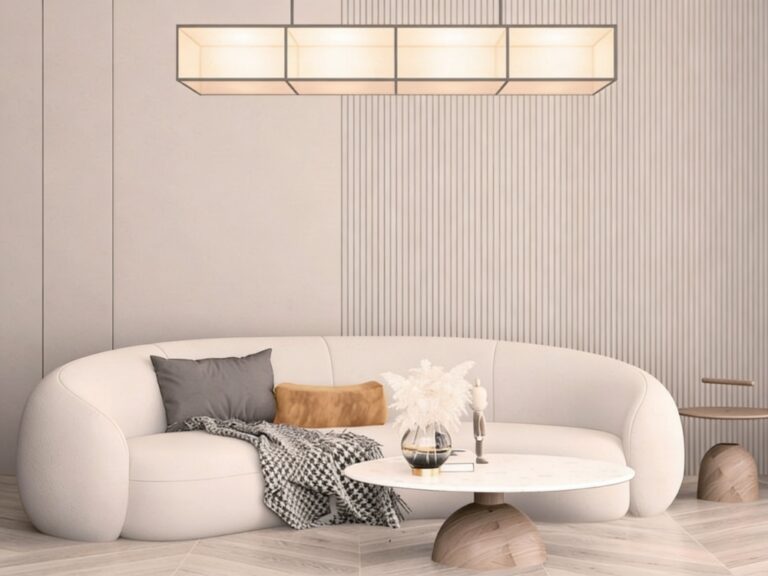
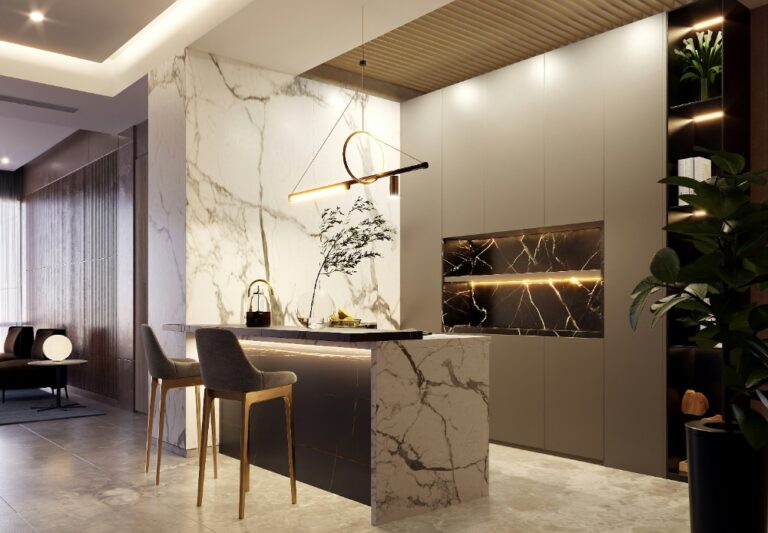
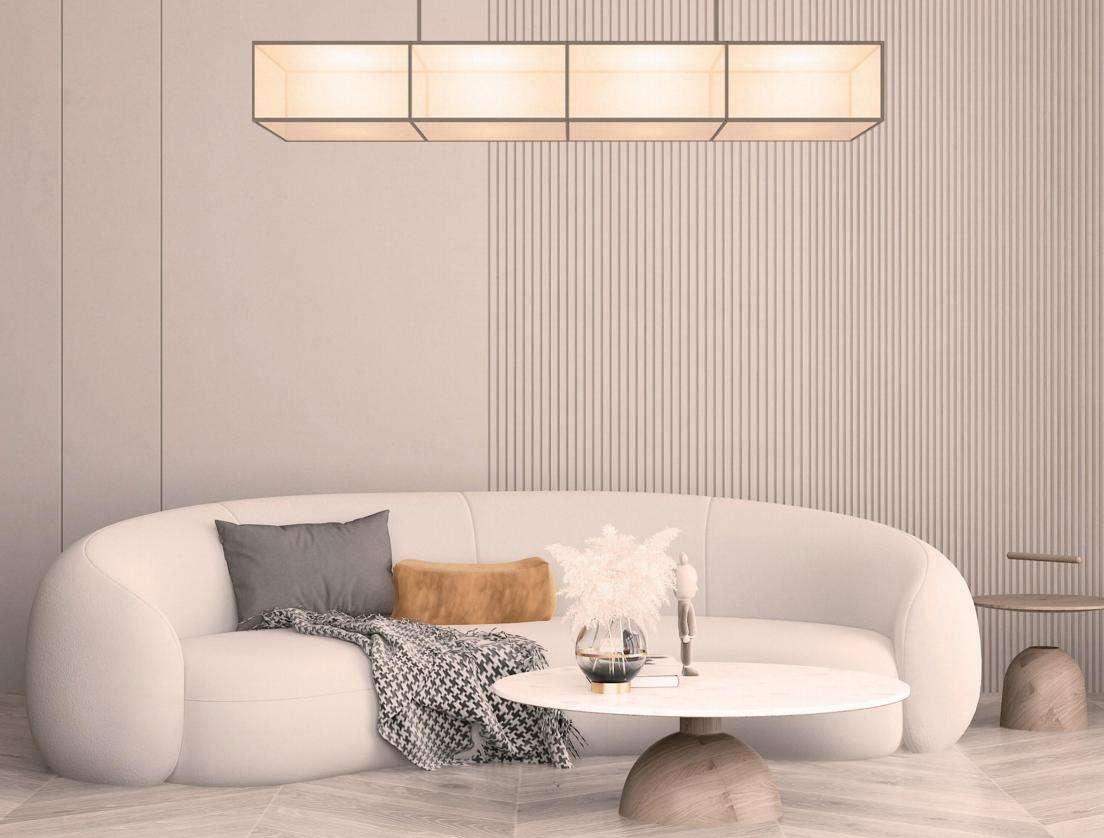
Стенные панели WPC приносят не только полезность, но и диапазон зрения. Повысите свой дизайн интерьера с помощью наших премиальных стенных панелей WPC, сложного дерево-пластикового композитного решения, разработанного как для эстетического воздействия, так и для долговечности. Они появляются в различных ощущениях, таких как хребты или разрезанные лица и крышки, которые копируют настоящие деревянные линии или ощущения камня. Эти панели легко сочетаются с текущими планами строительства.
Будь то для домашних фронтов или бизнеса на побережье, панели WPC предлагают отличное решение, не теряя работы в жесткую погоду.
Насколько легко установить WPC-панели в прибрежных проектах?
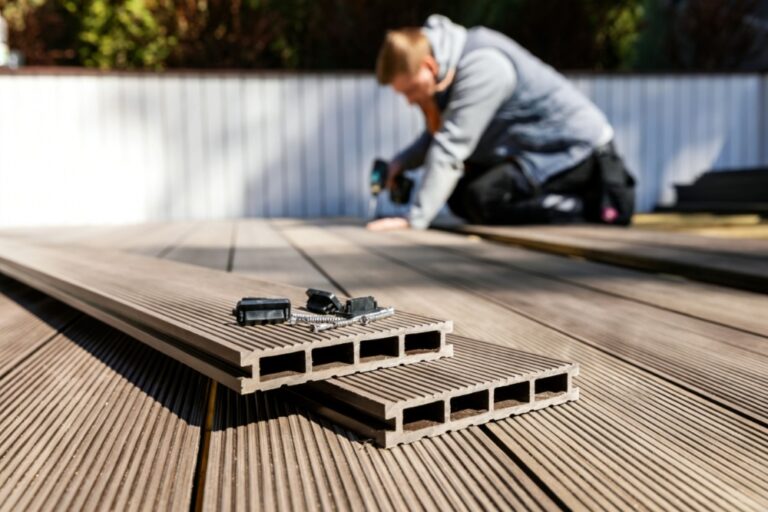
Из-за их детальной настройки и легкой конструкции, WPC-панели могут быстро подниматься с обычными инструментами. Идеально подходящие для акцентных стен, отдельных зон или преобразований полного помещения, наши стенные панели из WPC обеспечивают экологически чистый, низкий уровень обслуживания и простой в установке вариант облицовки, который переопределяет наружные и внутренние поверхности.
Связывающие настройки или скрытые держатели помогают в создании близких блоков, которые останавливают порывные души или соленые ветры от попадания в стенные пространства. Это остается ключом для береговых сооружений, где охрана погоды считается наиболее важной.
Особое внимание уделяется решениям HUAHONG DECOR для настенных панелей из WPC для прибрежных районов
Кто это ХУАХОНГ ДЕКОР Что отличает их продукты?
Мы в HUAHONG DECOR сосредоточены на мощном декоре, который подходит для жестких мест, таких как береговые районы. Мы интегрируем «Инженерию, способствующую расширению возможностей искусства, функциональность, управляющую дизайном» в качестве своей основной философии. Сосредоточенный на инновационных применениях ПС и WPC, наш портфель включает стенные системы, которые сочетают художественные текстуры с техническими характеристиками.
Наша полная промышленная цепочка - от проектирования до поставки - позволяет нам эффективно удовлетворять глобальные требования, предлагая широкие возможности настройки.
Как делать HUAHONG DECOR’ с WPC стенные панели выполняют в соляных средах?
Наши стенные панели WPC разработаны с морской прочностью. Улучшенная ультрафиолетовая стабильность (улучшение на 50%), устойчивость к влаге и толерантность к соляному распылению делают наши продукты идеальными для использования в прибрежных или высоковлажных условиях.
Мы проводим строгие испытания с использованием промышленных стандартных методов, таких как моделирование соляного распыления, чтобы убедиться, что наши панели сопротивляются бленению, опуху или трещинам. Реальные отзывы от установок подтверждают, что наши решения сохраняют внешний вид и производительность даже в суровых морских условиях.
Почему выбирать решения HUAHONG DECOR перед другими вариантами?
Ключевые преимущества:
- Доказанная производительность в различных морских климатах по всему миру.
- Продукты из WPC включают в себя 60% переработанных деревянных волокон, что соответствует нашей приверженности устойчивости.
- Наша интегрированная модель от дизайна до доставки снижает затраты на 20%, предлагая клиентам доступ к более чем 10 000 художественным текстурам, созданным нашей международной командой.
- Сильная поддержка клиентов гарантирует, что каждый проект получает персонализированное внимание и техническую помощь на протяжении всего его жизненного цикла.
FAQ
В: Какова продолжительность жизни стенной панели WPC?
Ответ: Стенные панели из WPC обычно сохраняются в течение 20-30 лет даже в суровых условиях, таких как прибрежные районы, благодаря их устойчивости к влаге, ультрафиолетовому излучению и сольной коррозии.
В: Являются ли панели WPC, как правило, более устойчивыми к влаге по сравнению с твердой древесиной?
О: Да, панели WPC гораздо более устойчивы к влаге, чем твердое дерево, потому что они имеют более низкие скорости поглощения воды и не набухают, гниет или искажаются при воздействии влаги.
В: Могу ли я использовать стенные панели WPC на внешних стенах вблизи океана?
О: Абсолютно - стенные панели WPC специально разработаны для хорошей работы на открытом воздухе, включая районы с высоким содержанием соли вблизи океанов, где традиционные материалы часто преждевременно отказываются из-за коррозии или распада.