Have you observed how discussions about home improvements have altered entirely in recent times? Several years back, individuals focused mainly on selecting the most affordable paint shade or the most popular wallpaper style. These days, with shifting climate conditions impacting everyday routines—from unusual mild winters to severe summer warmth—property owners and constructors are becoming more aware. They examine their sitting areas and pose tougher inquiries. What exactly composes this surface? From where do these substances originate? Such questions reflect growing concerns. They guide better choices. They shape future actions.
This change in perspective explains precisely why the field of interior decoration evolves swiftly as we approach 2026. Folks desire areas that appear attractive yet also honor the environment. At the heart of this significant transformation stands a substance you may not anticipate: MDF panel cladding. In fact, this modest option leads efforts in current updates, demonstrating that one can combine elegance, tranquility, and environmental responsibility simultaneously. Now, we will explore the details of this development. It reveals practical insights. It highlights real advantages. It connects to broader trends.
The Shift Towards Eco-Conscious Interiors in Modern Homes
The wish to construct wisely has ignited a strong interest in environmentally friendly construction substances worldwide. Property owners, designers, and business developers all seek effective methods to reduce their environmental impact while maintaining contemporary style. This is the point where current wall coverings enter the picture. They offer solutions. They balance needs. They support goals.
- Moving away from heavy extraction: Traditional stone and virgin timber require massive amounts of energy to harvest and transport. We are leaving those old habits behind.
- Embracing recycled components: Modern sustainable wall design relies heavily on materials that give a second life to wood fibers that would otherwise end up in a landfill.
- Focusing on the life cycle: People now look at how long a product lasts and what happens to it when a room gets remodeled again. We want things that endure.
Why Old Materials Are Fading Fast
For quite some time, the building and decoration sectors proved highly inefficient. Recall the conventional approaches. Workers dismantled barriers, discarded heaps of gypsum and untreated lumber into waste containers, and began anew with fresh supplies sourced directly from woodlands or extracted from pits. The ecological price of this pattern was immense. Forests diminished more quickly than they regenerated, and producing dense substances released thick fumes into the atmosphere. These practices persisted unchecked. They caused damage. They ignored consequences.
At present, purchasers possess greater knowledge and stronger expectations. We grow weary of the excess. The typical buyer seeks a residence that serves as a secure retreat, rather than one constructed through environmental sacrifice. This rising dissatisfaction with established excess clears the path for no-waste decoration ideas. Individuals aim to support companies that value future generations equally with current earnings. Such preferences influence markets. They demand change. They reward progress.
Decoding the Magic of MDF Wall Panels
You may question what precisely distinguishes this particular choice from others. An MDF wall panel represents more than a simple wood section; it constitutes a carefully crafted item that merges solid strength with excellent appearance adaptability for various areas. This combination proves effective. It meets diverse needs. It enhances spaces.
Built for Real Life and Long-Term Use
Medium Density Fiberboard (MDF) is created by breaking down hardwood or softwood residuals into wood fibers. These fibers are then combined with wax and, crucially for modern eco-standards, advanced low-emission or zero-added-formaldehyde resin binders (like MDI), and formed into panels by applying high temperature and pressure. Because it uses the leftover parts of the wood industry, it is inherently resource-efficient.
But what makes an MDF wall panel truly remarkable in 2026 is how it is manufactured. Leading companies have revolutionized the production lines. Some of the best factories now use advanced activated carbon systems to drop their NOx emissions by a massive 90 percent. They also save about 4 to 6 tons of oily wastewater every single year by using smart, closed-loop water treatments. This means the panel you put on your living room wall didn’t poison the air or the local river to get there. It is a true example of eco-friendly cladding that stands up to daily wear and tear. Unlike natural wood, which has unpredictable grain and knots, standard MDF provides a perfectly uniform surface that resists splitting. Furthermore, when specifically engineered as moisture-resistant (MR) grade, it performs reliably over the years, meaning it stands up well to daily wear and tear without premature replacement.
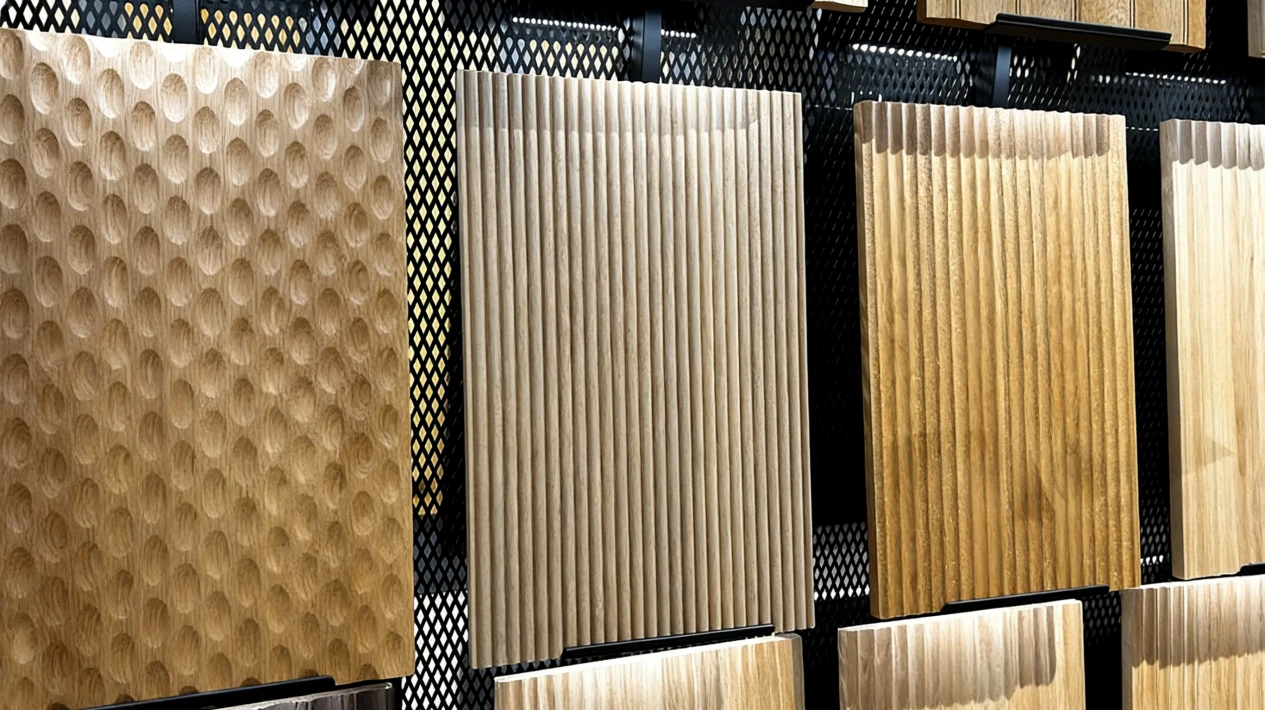
Sound Absorption and Daily Comfort
Modern interior design looks amazing, but it has a hidden problem: noise. Open concept homes with high ceilings and hard floors create echo chambers. Every footstep, dog bark, and television commercial bounces off the walls. This is where an MDF acoustic panel completely changes the game.
Standard MDF itself is dense and reflective, but acoustic versions are designed differently. These targeted boards feature precisely milled channels, perforations, and integrated sound-absorbing backing materials (like PET felt) that capture audio vibration rather than allowing them to return into the area. If you reside in a lively urban setting or maintain a crowded household, incorporating an MDF acoustic panel into your family space or work area reduces sound intensity noticeably. It enhances your routine well-being. You obtain an appealing, patterned barrier that functions as an audio absorber. It blends appearance and utility ideally, illustrating that eco-friendly wall planning can enhance your existence more serenely. This integration proves beneficial. It solves problems. It promotes harmony.
Core Benefits of Using Eco-Friendly Cladding
Past mere visual appeal in planning sketches, adopting more sustainable construction choices yields tangible, routine advantages for your areas and finances. We will review the specific factors making these boards a preferred selection for innovative building and planning initiatives. These points clarify the advantages. They demonstrate worth. They guide selections.
- Supporting the Near-Zero Waste Movement: Top manufacturers use recyclable packaging and run their factories on strict environmental guidelines, minimizing industrial byproducts. When you buy these products, you are actively participating in zero waste decor.
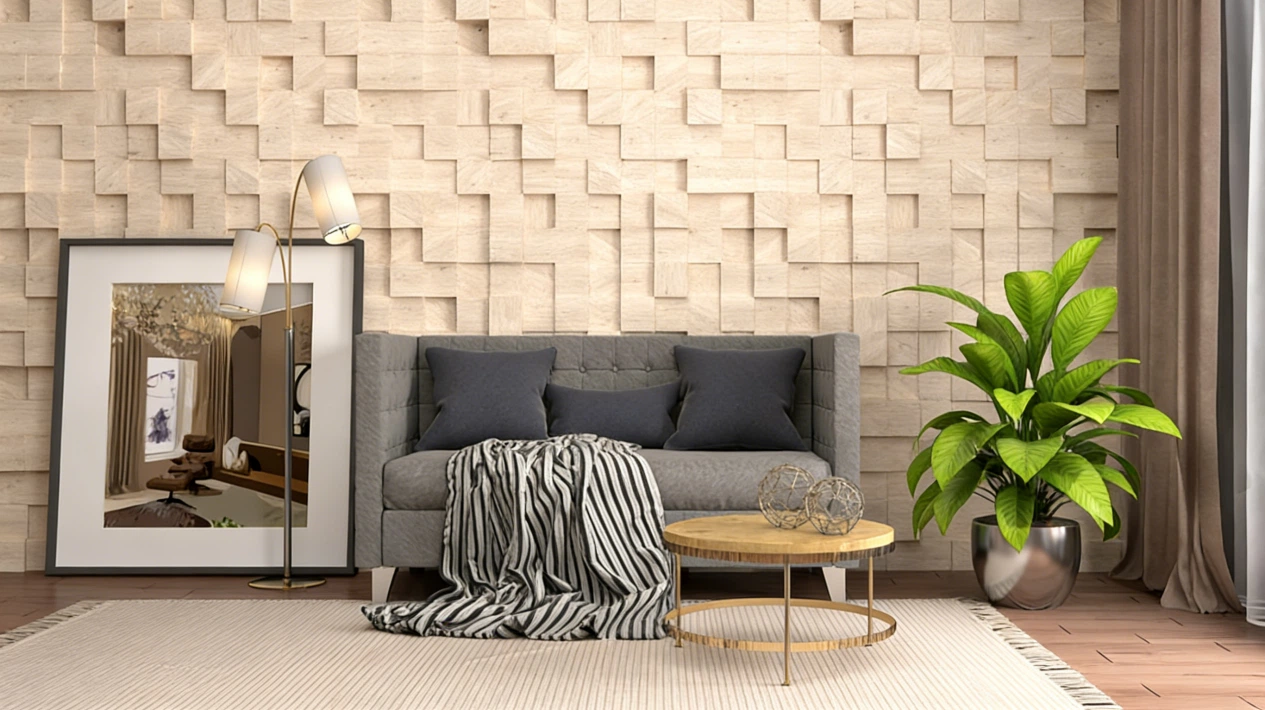
- Incredible Design Variety: You are never stuck with a boring, flat look. With huge design libraries containing over 10,000 artistic textures, you can mimic the look of natural oak, rich walnut, or even modern geometric stone patterns without harvesting rare materials.
- Better Budget Management: Because these panel systems are often integrated from the initial design phase all the way to delivery, they can lower overall project costs by up to 20 percent compared to messy traditional masonry or expensive solid wood installations.
- Healthier Indoor Air: Quality eco-friendly MDF products are manufactured with strict controls on formaldehyde and other VOCs, often utilizing zero-added-formaldehyde glues.
Incorporating Sustainable Wall Design into Your Space
Bringing these beautiful elements into your own home or a large commercial project is much easier than people usually think. Whether you are updating a single master bedroom or completely remodeling a massive hotel lobby, there are endless ways to apply these materials creatively.
Residential Makeovers That Make Sense
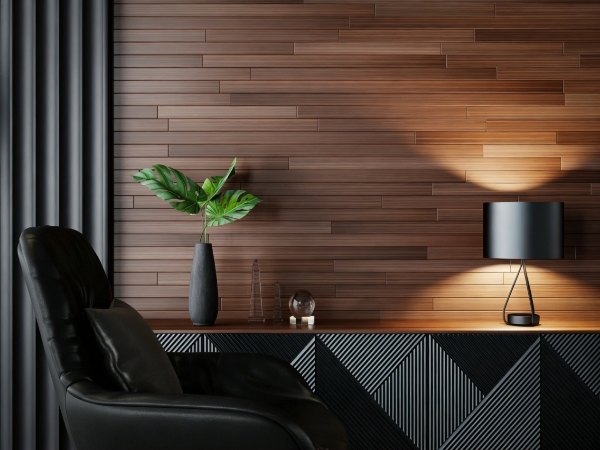
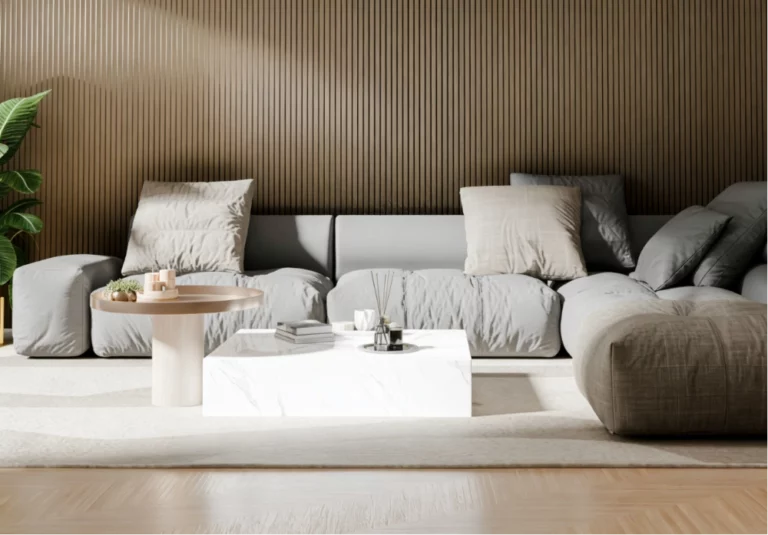
In a normal home, MDF panel cladding works wonders. Think about that blank, boring wall behind your television. Instead of just painting it gray again, you can install fluted or grooved wood-grain panels to give the room depth and warmth. The installation process is surprisingly straightforward and fast, which means you avoid weeks of construction dust in your house.
Bedrooms are another perfect spot. Using these materials to create a custom headboard wall makes the space feel like a high-end luxury hotel. Plus, the acoustic properties of perforated panels help block out street noise, giving you a better night of sleep. Because they resist moisture and daily wear, they are also incredibly easy to clean—a quick wipe down is usually all it takes to keep them looking brand new.
Commercial Brilliance and High Traffic Areas
Examining business venues such as active eateries, office buildings, and elegant lodging entrances, the requirements on surfaces prove demanding. Numerous individuals contact them, collide with baggage, and cause spills nearby daily. Standard coatings deteriorate swiftly in such settings after mere months. This wear highlights limitations. It reveals needs. It prompts upgrades.
For this reason, sustainable construction substances like robust MDF boards gain prominence in the business field. They deliver the refined creative coating designers seek, yet possess the sturdy, mark-proof exterior that upkeep teams appreciate. Additionally, various current business structure regulations now mandate a specific share of eco-friendly substances. Adopting environmentally sound covering assists these large undertakings in fulfilling stringent global green approvals while maintaining a sophisticated and capable look. This compliance strengthens projects. It meets standards. It elevates prestige.
Choosing the Right Partner for Your Cladding Needs
Finding a reliable manufacturer you can actually trust is just as important as picking the right texture or color for your living room. You really want to work with a dedicated team that practices what they preach regarding environmental protection, waste reduction, and top-tier artistic craftsmanship.
This is exactly where ХУАХОНГ ДЕКОР shines. Inheriting 26 years of deep expertise in artistic home decor, we don’t just make building materials; we merge artistic creativity with serious engineering. Our massive production base handles everything from design to global delivery, serving clients in over 100 countries. More importantly, our commitment to a “waste-minimized” initiative and massive reductions in factory emissions proves we are serious about protecting the planet. Whether you are a homeowner planning a weekend upgrade or an architect designing a new hotel, their team has the perfect green solution for you.
Вывод
The manner in which we construct and adorn our environments in 2026 evidently reflects greater regard for our surroundings. We need not select between an enchanting area and a thriving earth. Items like MDF panel cladding illustrate that intelligent construction resolves longstanding issues attractively. By choosing substances that diminish excess, refine production methods, and endure for years, we each contribute to a larger, more verdant initiative. Regardless of whether you aim to dampen a resonant family space or reimagine a business office, these boards present a feasible, elegant route ahead. Transitioning to superior substances constitutes a modest move for one area, yet a significant advance for the destiny of our residences. This progress inspires. It unites efforts. It shapes tomorrow.
Часто задаваемые вопросы
Q: What exactly is MDF panel cladding?
A: MDF panel cladding is an engineered wood product offering a durable, stylish option for sustainable wall design, often bound with advanced low-emission resins.
Q: Can an MDF acoustic panel reduce room noise?
A: Yes, when engineered with specific perforations, grooves, and acoustic backing, an MDF acoustic panel absorbs sound waves beautifully, making it perfect for creating quiet, eco-friendly cladding spaces.
Q: Does MDF fit into waste-minimized decor trends?
A: Absolutely. Quality MDF wall panel production uses recycled wood fibers, acting as excellent green building materials for modern homes.