لماذا تصبح تصاميم لوحات MDF عنصرا أساسيا في المساحات الداخلية الحديثة؟
في اليوم’ تصميم داخلي ، الجدران ’ t فقط دعم أساسي بعد الآن. إنها تعمل الآن كأسطح حية تعزز كل من المظهر وطريقة عمل المساحات. وقد عزز هذا التغيير جاذبية تصاميم الألواح mdf. توفر هذه التصاميم مزيجًا جيدًا من القدرة على التكيف والتكلفة المنخفضة والخيارات الإبداعية التي نادرًا ما تقدمها المواد الأخرى.
يمكنك تشكيل وتشطيب وتخصيص لوحات MDF لتتناسب مع أنواع كثيرة من الأماكن الداخلية. يتراوح هذا من المناطق المنزلية البسيطة إلى إعدادات الأعمال الصعبة. غالبا ما يتحول المصممون إلى لوحات الجدران MDF لإضافة التدفق والشعور وأسلوب البناء. وفي الوقت نفسه ، يحافظون على النفقات وأوقات الإعداد تحت السيطرة. بما أن الناس يتوقعون غرف تبدو رائعة وتعمل بشكل جيد ، فإن تصاميم الألواح MDF تبرز كخيارات ذكية. إنها تتجاوز مجرد الديكور.
ما هو التأثير البصري الذي يمكن أن تجلبه تصاميم لوحات MDF إلى المساحات الداخلية؟
كيف تشكل الأنماط والنسيج والنهايات السطحية الجمال الداخلي؟
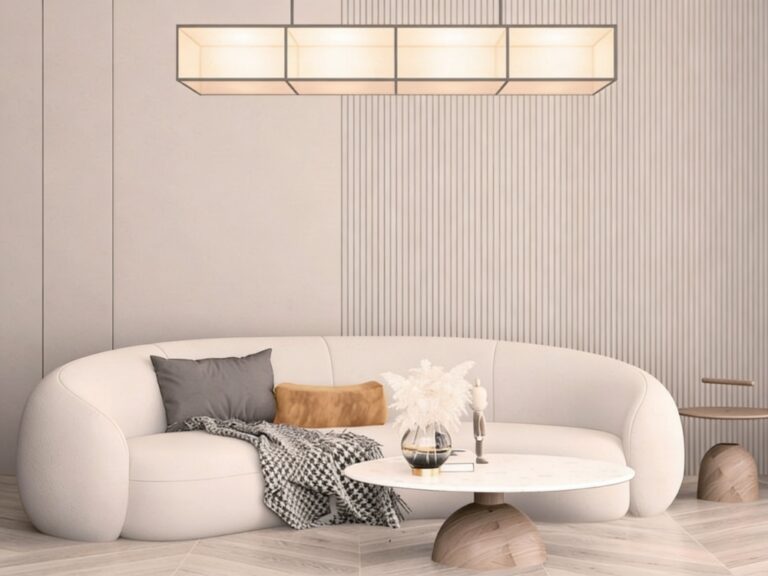
بالإضافة الرئيسية لتصاميم لوحات MDF هي مجموعة واسعة من المظهر. يمكنك قطع MDF إلى خطوط مستقيمة ، أو رفعات قائمة على الشكل ، أو مناطق متسلسلة ، أو أنماط فريدة من نوعها. هذا يحول الجدران العادية إلى ميزات حيوية. مع الطلاء أو الأغطية الخشبية أو الطلاء الخام ، يمكن لألواح MDF تقليد أنماط الخشب أو الصخور أو الفن الإبداعي.
هذه المظهرات تساعد على وضع النغمة في الغرفة. الخطوط الطويلة تجذب الانتباه للأعلى. الخطوط الواسعة تجعل المساحات تبدو أوسع. الأشكال المتكررة تبني التدفق والوحدة. في المنازل ومناطق الأعمال على حد سواء ، غالبا ما تصبح لوحات الجدران MDF نقاط رئيسية تربط الأسلوب بأكمله معا.
كيف يمكن لتصاميم لوحات MDF خلق العمق والوهم البصري؟
لوحات MDF التصاميم تذهب أبعد من مجرد لمسات السطح. غالبا ما يعدلون كيف تشعر المساحات بحجمها. يستخدم المصممون لوحات مكدسة ، مساحات الظل ، أو خطوط مستهدفة لإضافة العمق الذي هو ’ حقاً هناك. هذا يعمل بشكل جيد في الغرف الضيقة. هنا، الحيل البصرية تفوز التغييرات الفعلية.
لوحات جدار MDF المدمجة بشكل جيد توجه النظرة. يسهل التحولات بين المناطق ويجلب النظام للبناء. هذه الحيل المشاهدة تجعل الغرف تشعر بأنها أكبر وأكثر نظافة وأكثر تخطيطًا. كل هذا يحدث دون لمس الهيكل الأساسي.
كيف تساهم تصاميم لوحات MDF في الوظائف الداخلية؟
بأي طرق يمكن لوحات MDF تحسين الأداء الصوتي؟
تفسر الفوائد العملية لماذا تظهر تصاميم لوحات MDF أكثر في العمل الحالي. عندما يتم بناؤها بشكل صحيح ، تساعد لوحات MDF في إدارة الصوت كثيراً. أنماط الثقوب والمناطق المغطاة والطبقات المضافة تسمح للألواح بالامتصاص بالضوضاء بدلاً من ترتديها مرة أخرى.
في أماكن مثل أماكن العمل أو غرف الإعلام أو مناطق المؤتمرات أو المنازل المفتوحة ، تقلل لوحات الجدران MDF من الصدمات والأصوات الإضافية. هذا يعزز الكلام الواضح والسهولة العامة. يظهر أن إعدادات الجدران الجميلة يمكن أن تتعامل مع المهام الحقيقية أيضًا.
كيف يمكن لوحات MDF دمج الإضاءة والأسلاك والوظائف الخفية؟
تصميمات لوحات MDF تتميز أيضًا في إخفاء أجزاء الإعداد. يمكنك تصميم لوحات لتغطية الكابلات أو إضافة شرائط ضوئية أو تحديد أماكن التخزين. يقومون بذلك دون كسر المظهر السلس للمنطقة.
هذا الإعداد يساعد غرف نظيفة واضحة حيث تبقى التكنولوجيا والخدمات بعيدة عن النظر. لوحات جدار MDF دع المبدعين يخلطون الأسلوب مع الاستخدام الحقيقي. وبالتالي، اليوم’ الغرف في نهاية المطاف تبدو حادة وسهلة للتعامل.

ما هي عوامل التصميم التي يجب مراعاتها عند اختيار تصاميم لوحات MDF؟
هل يجب عليك اختيار لوحات MDF المرسومة أو المزخرفة أو المنسوجة؟
اختيار أفضل غطاء يهم الكثير مع تصاميم لوحات MDF. الأنواع المرسومة تعطي خيارات ألوان سهلة وتتناسب مع الغرف الحديثة. لوحات MDF المزخرفة تجلب هواء طبيعي وملمع. الغطاء الخام أو ثلاثي الأبعاد يضيف الشعور والعمق، وجذب الناس في.
اختيارك يعتمد على الشعور المطلوب واحتياجات الصيانة والأموال. قد تختار أماكن الأعمال المزدحمة خيارات صعبة وسهلة التنظيف. يمكن للمناطق المنزلية أن تهدف إلى مناظر مريحة وراحة.
كيف يؤثر المقياس والنسبة والتخطيط على انسجام التصميم العام؟
الحجم واللائقة تلعب أدوار كبيرة في جعل تصاميم لوحات MDF تعمل بشكل جيد. الألواح الكبيرة قد تزدحم الغرف الصغيرة. الأنماط المفصلة جدا يمكن أن تفوض مناطق واسعة. يحتاج المبدعون إلى مطابقة أحجام اللوحة والفجوات والتكرار إلى الغرفة ’ S بناء.
التخطيط الذكي للإعدادات يضمن أن لوحات الجدران MDF ترفع المساحة. لا’ ت تتولى. إذا تم القيام به بشكل صحيح ، فإن الألواح تجلب التكافؤ والتدفق وشعور بناء صلب.
كيف تعمل تصاميم لوحات MDF جنبًا إلى جنب مع مواد داخلية أخرى؟
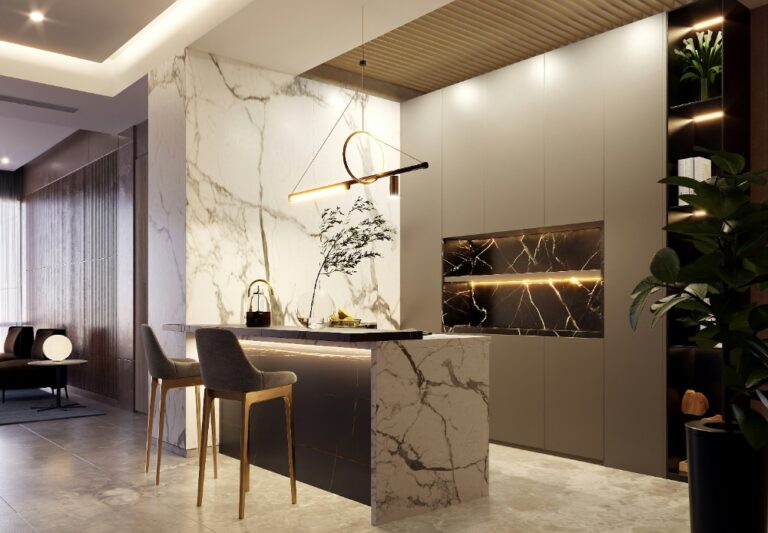
تصاميم لوحات MDF تلمع أشرق مع العناصر المتطابقة. ربط لوحات الجدران MDF إلى لمسات معدنية يضيف الحافة والنطارة. أجزاء الزجاج تجلب الهواء والجودة الواضحة. الصخرة أو الأسمنت الوجوه الحصول على تسخين من قبل MDF’ بنية ناعمة وشكل.
الأضواء مهمة أيضا. الشعاعم المستهدفة تسلط الضوء على الشعور والأشكال ، وتعزيز الجانب ثلاثي الأبعاد للألواح. مع تطابق المواد الجيدة ، تصاميم لوحات MDF تربط عناصر متنوعة في إعداد غرفة واحدة سلسة.
لماذا نركز في هواهونغ ديكور على حلول لوحة صوتية MDF
كيف تجمع الألواح الصوتية MDF لدينا بين حرية التصميم والأداء؟
في هواهونغ ديكور ، نرى تصاميم لوحات MDF كفرصة للخلط بين الذوق الإبداعي والنتائج الصلبة. في صنع خيارات لوحة صوتية MDF ، نهدف إلى تعزيز المظهر واستخدام المساحة اليومية.
نحن نصنع لدينا لوحات صوتية MDF لكل من الأسلوب الجذاب والسيطرة على الضوضاء الثابتة. من خلال إقران بنيات MDF مع الظهر الممتص للصوت ، فإن عناصرنا تقلل من الرصيف مع الحفاظ على المظهر الأنيق والجديد. هذه تناسب جدران لهجة المنزل ، وداخل الأعمال ، والمناطق ذات الأغراض الشاملة حيث تعتبر السهولة والوضوح مهمتين.
عناصرنا تؤكد على التخصيص. نحن نعطي خيارات في أحجام اللوحة، وشعور الوجه، والظلال، وإعدادات الثقب. هذا يتيح للمبدعين الحصول على نمط مخصص دون فقدان الوظيفة. بالنسبة لمظهر خط هادئ أو علامات بناء قوية ، تناسب لوحات جدار MDF متطلبات الغرف المتنوعة.
في هواهونغ ديكور ، نتعاون مع المبدعين ومجموعات المشاريع من الفكرة إلى الإعداد. من خلال مطابقة أهداف الأسلوب مع الاحتياجات العملية، نجعل لوحاتنا الصوتية MDF تناسب مباشرة في الغرفة. ليس كجزء إضافي. تساعدنا هذه الطريقة الإبداعية في غرف خلفية تبرز في البصر، وتشعر بالراحة في الصوت، وتستمر مع مرور الوقت.
أين يتم تطبيق تصاميم لوحات MDF بشكل شائع في المشاريع الداخلية؟
تظهر تصاميم لوحات MDF الكثير في المنزل والأعمال والأماكن العامة. في المنازل، لوحات الجدران MDF نعمة أبرز غرفة الجلوس، الجدران نهاية السرير، أو لمسات الممر. يجلبون تفاصيل بناء مريحة دون ازدحام المنطقة.
في إعدادات الأعمال، تصميم لوحات MDF مساعدة الصورة، وتقسيمات المنطقة، وسهولة الصوت. أماكن العمل تستخدمها لزيادة الإنتاج. تعتمد الفنادق وأماكن الضيوف عليها للترحيب. المناطق العامة مثل غرف المحادثات وقاعات العرض وأماكن الفن تستفيد من الأسلوب المزدوج واستخدام مزايا لوحات الجدران MDF.
FAQ
س: ما هي تصاميم لوحات MDF المستخدمة عادة في المناطق الداخلية؟
ج: يتم استخدام تصاميم لوحات MDF لتعزيز جماليات الجدران ، وإدخال النسيج والهيكل ، ودمج العناصر الوظيفية مثل الصوتية والإضاءة والأنظمة المخفية.
س: هل يمكن لوحات الجدران MDF تحسين الراحة الصوتية في غرفة؟
ج: نعم. عند تصميمها مع الميزات الصوتية ، يمكن لألواح الجدران MDF امتصاص الصوت وتقليل الصدى وتحسين الراحة الصوتية الشاملة في كل من المساحات السكنية والتجارية.
س: هل تصاميم لوحات MDF بديل فعال من حيث التكلفة لمواد الجدران الصلبة؟
ج: تصاميم لوحات MDF هي عموما أكثر فعالية من حيث التكلفة من الخشب الصلب أو البدائل الحجرية ، مما يقدم مرونة التصميم والجودة المتسقة والتركيب الفعال مع توفير أداء بصري ووظيفي قوي.